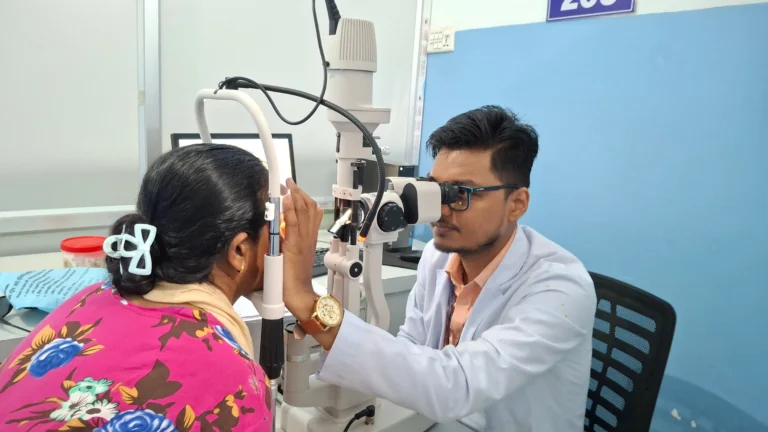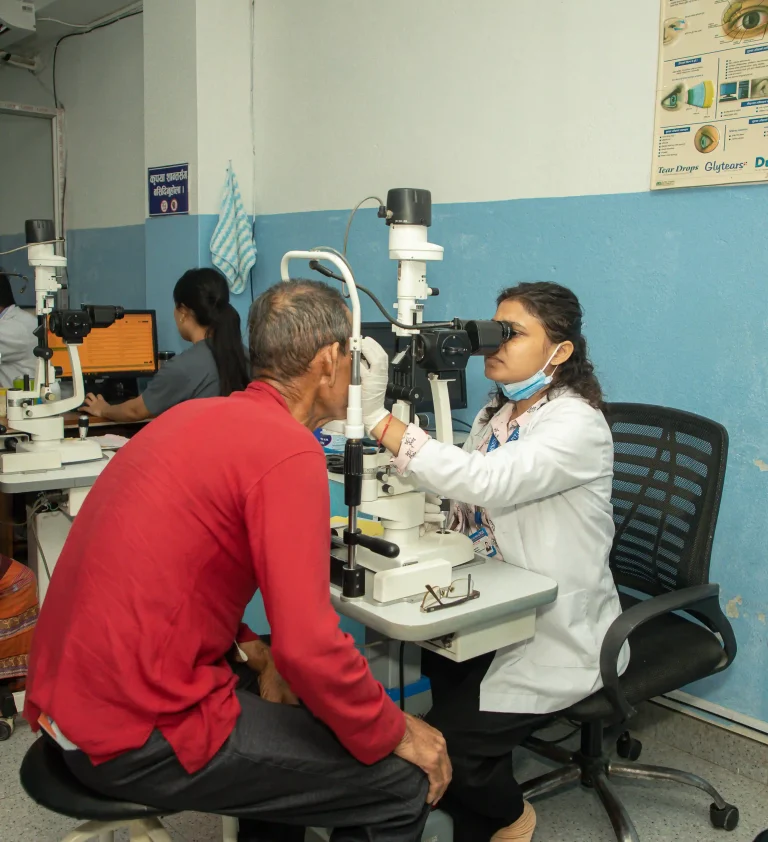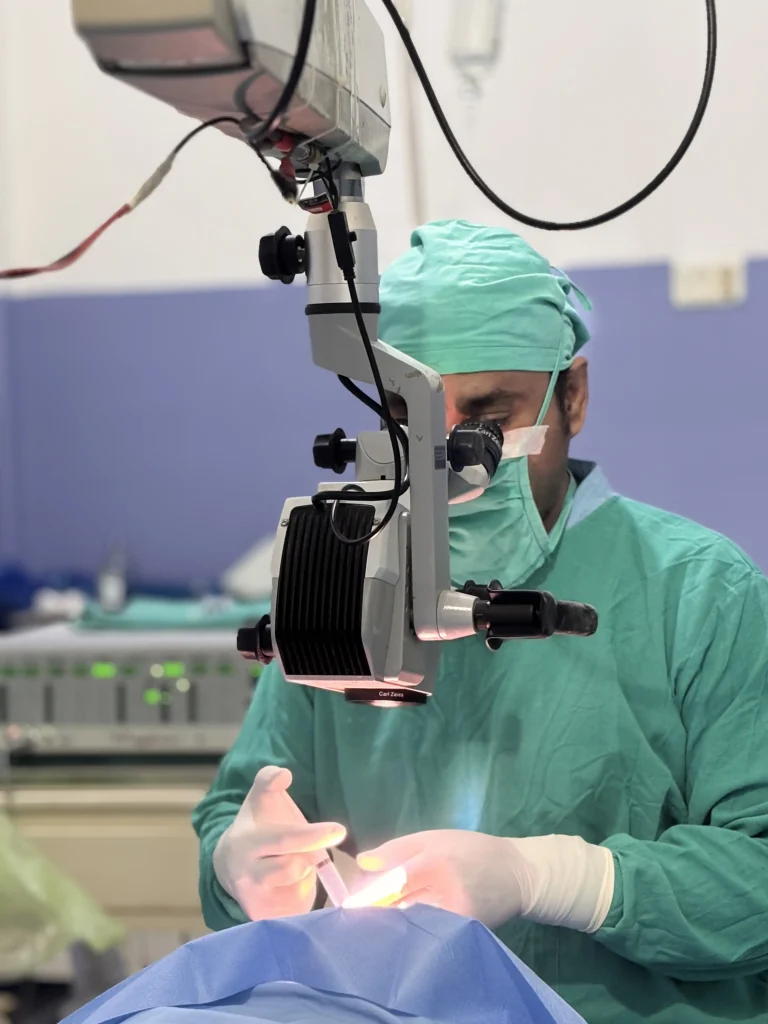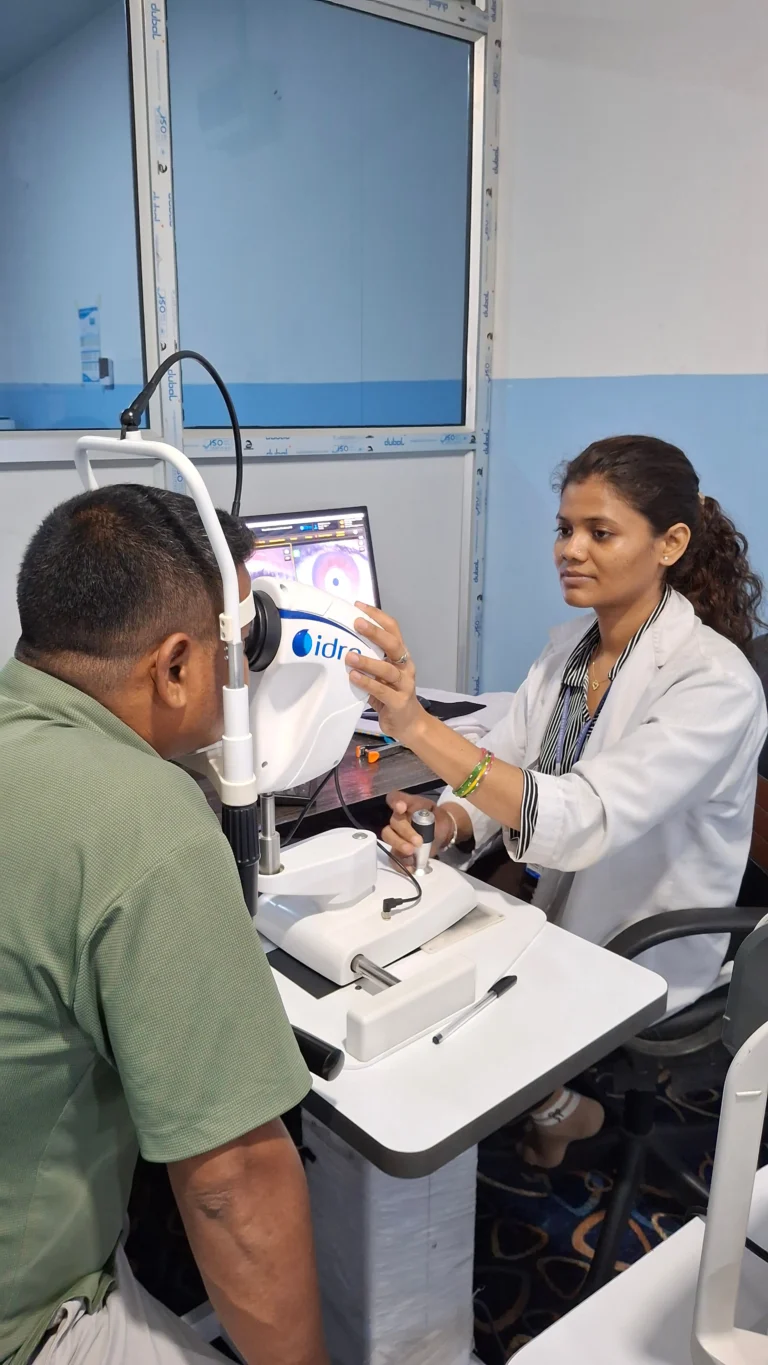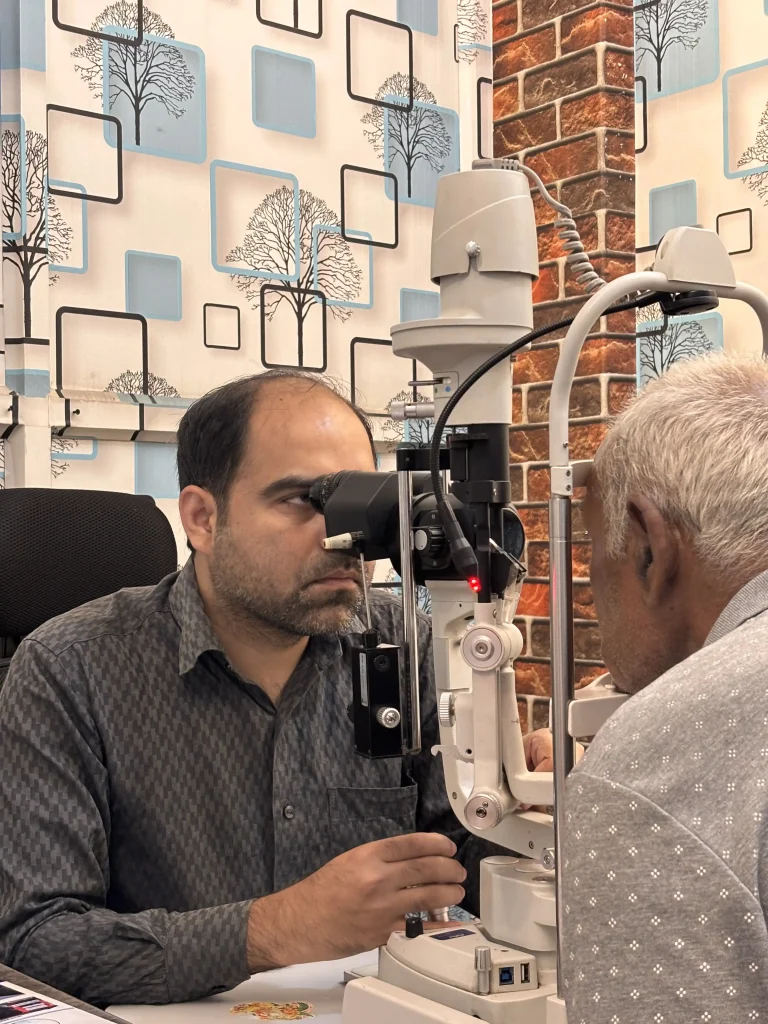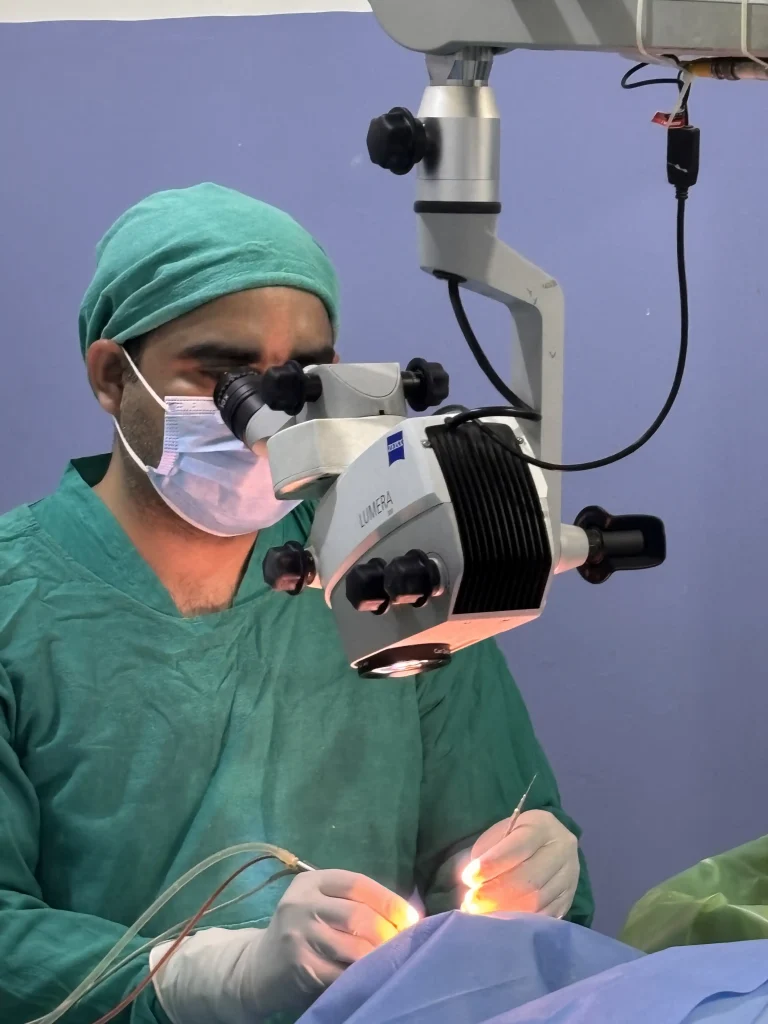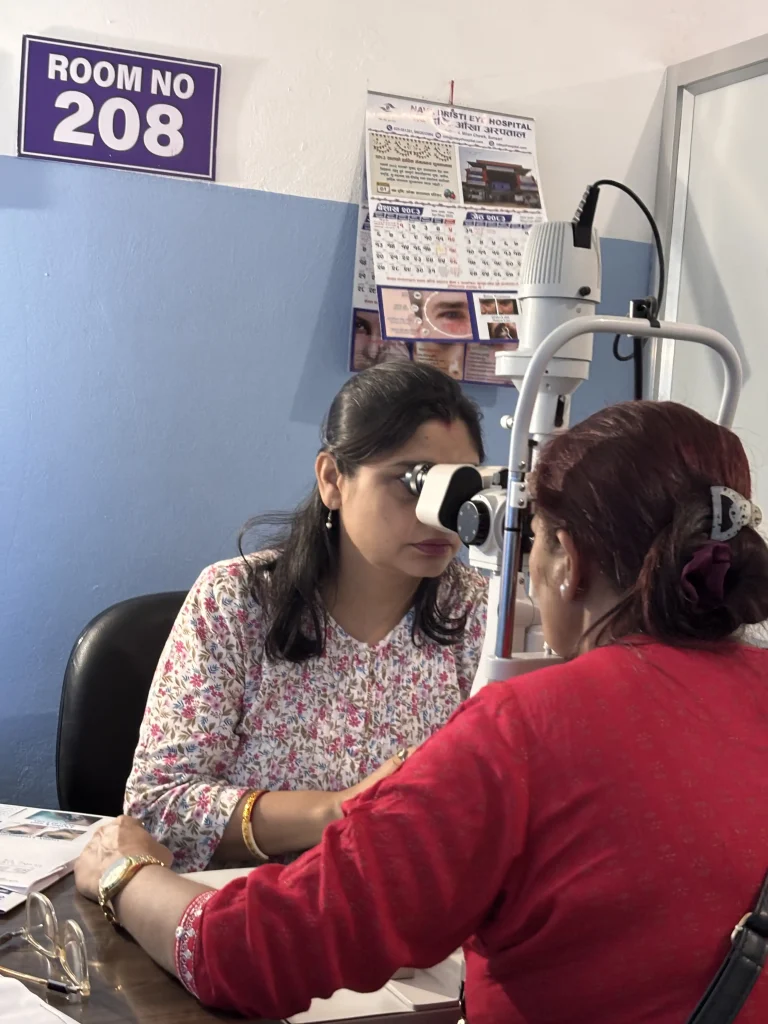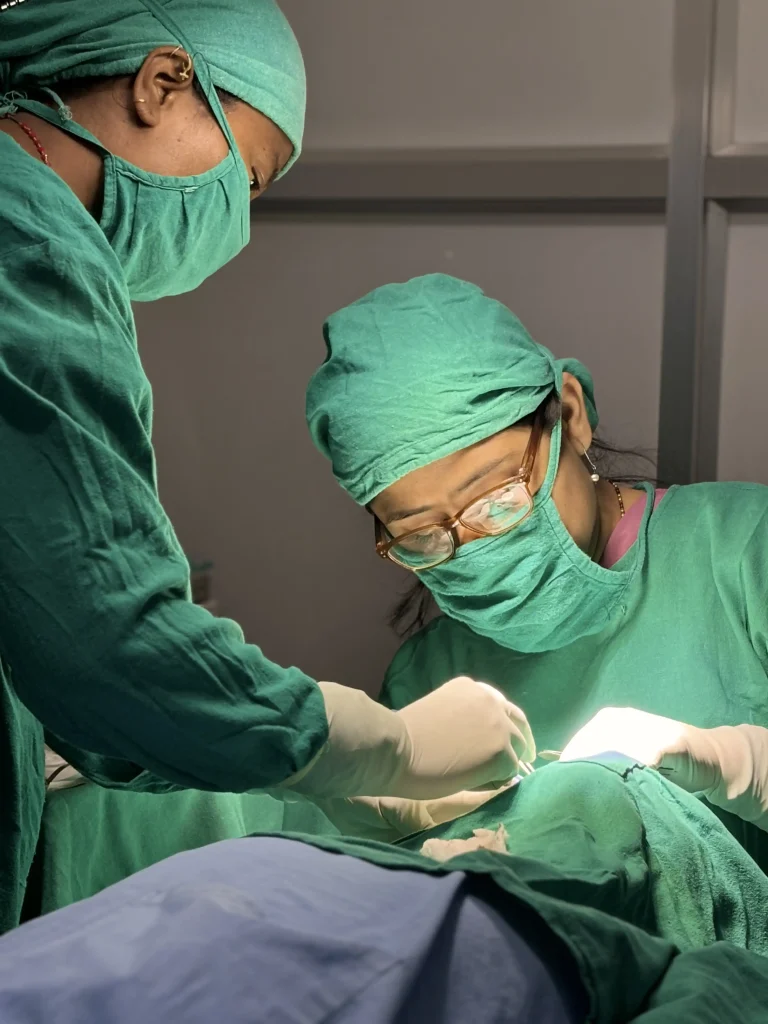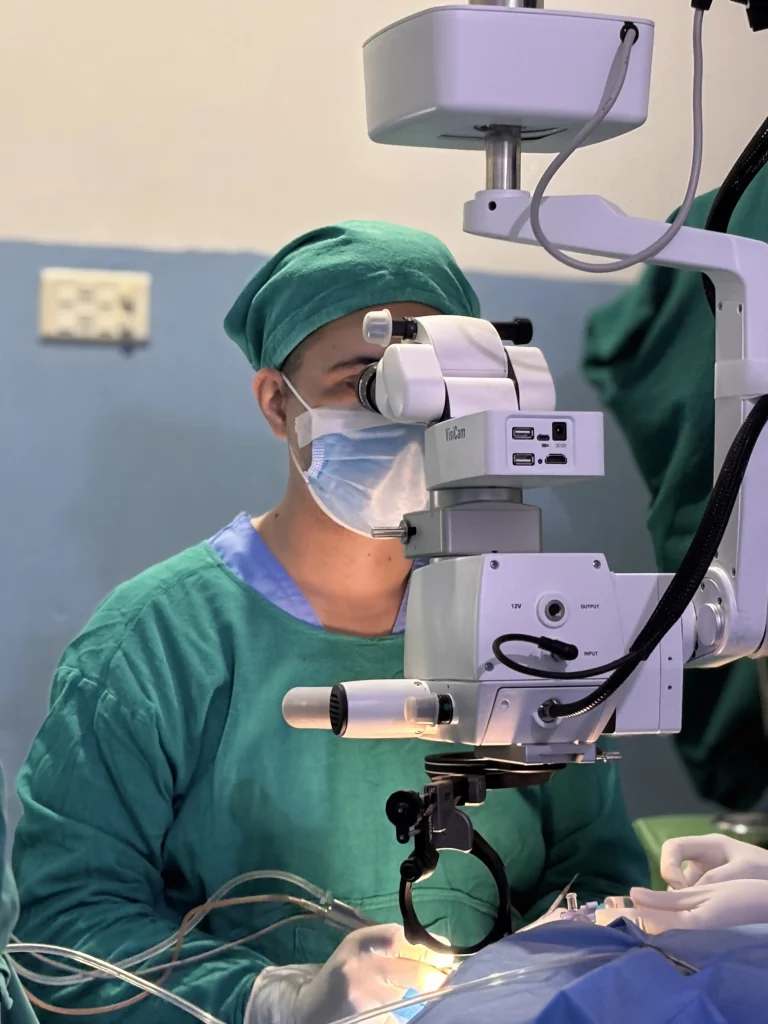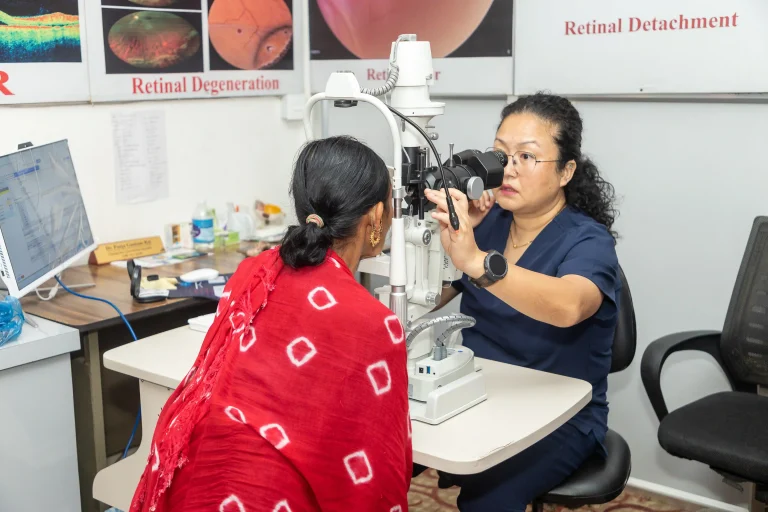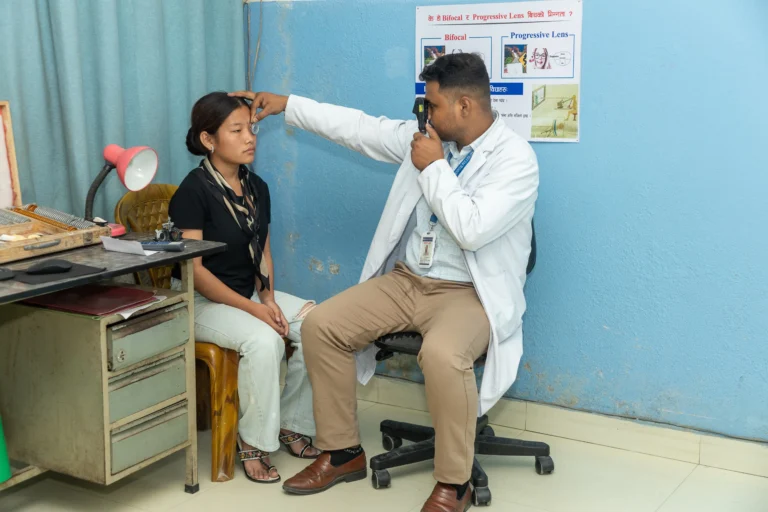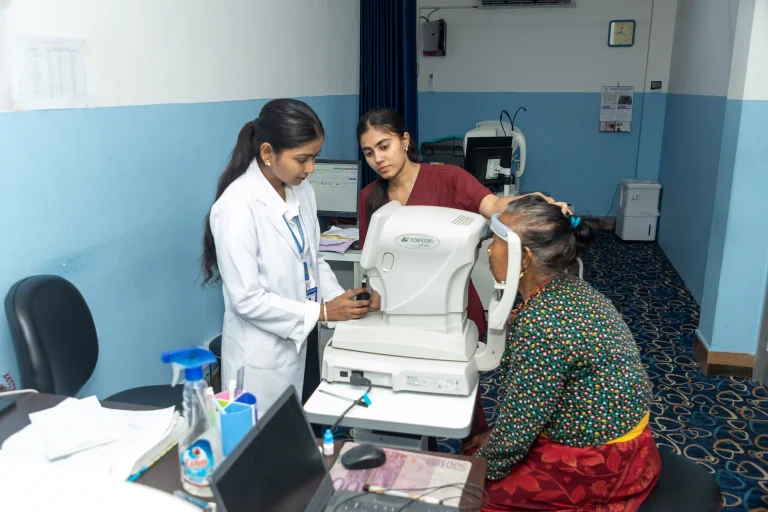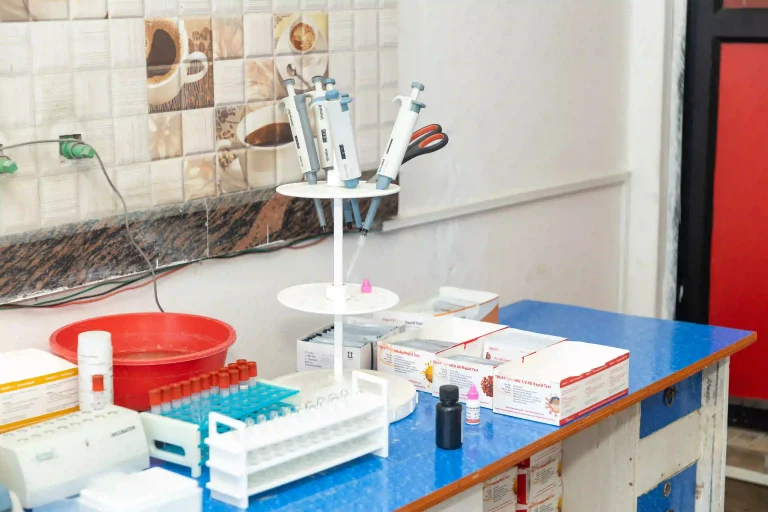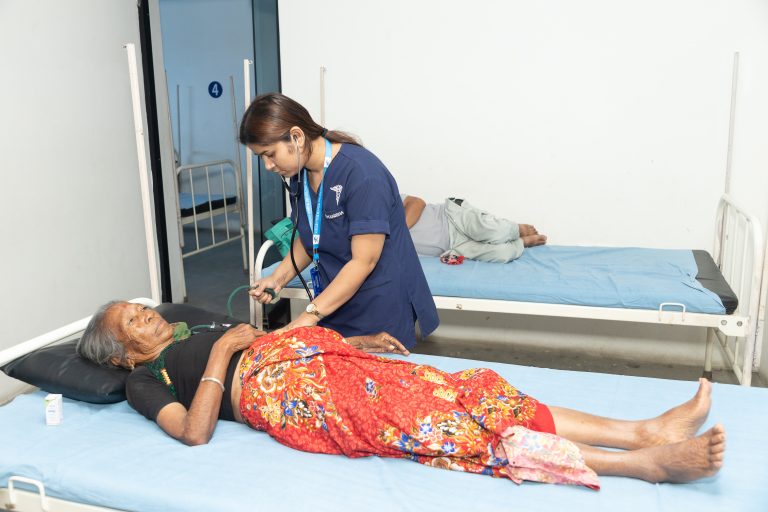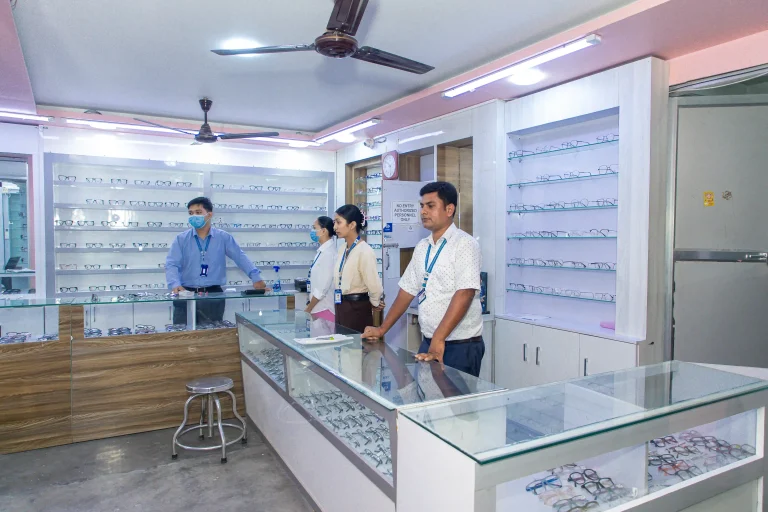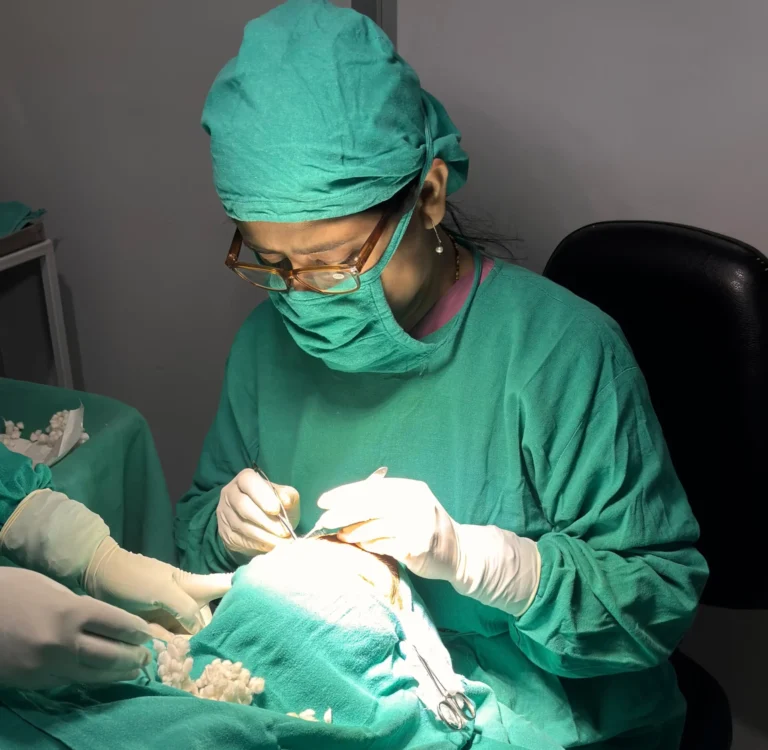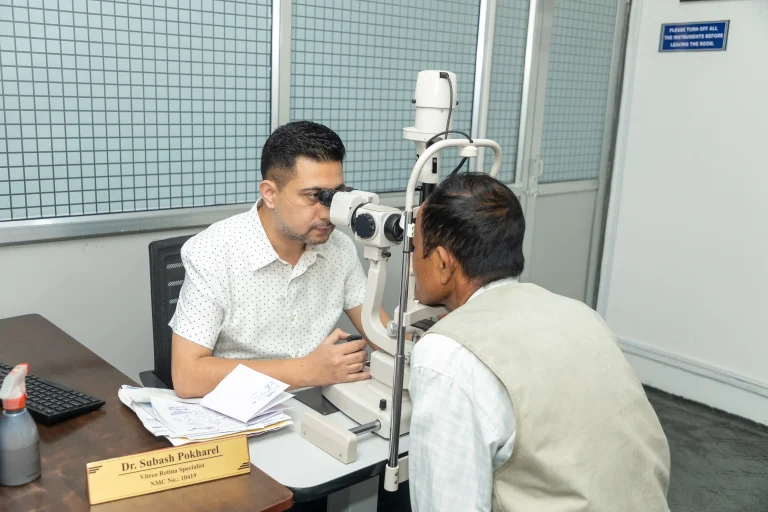



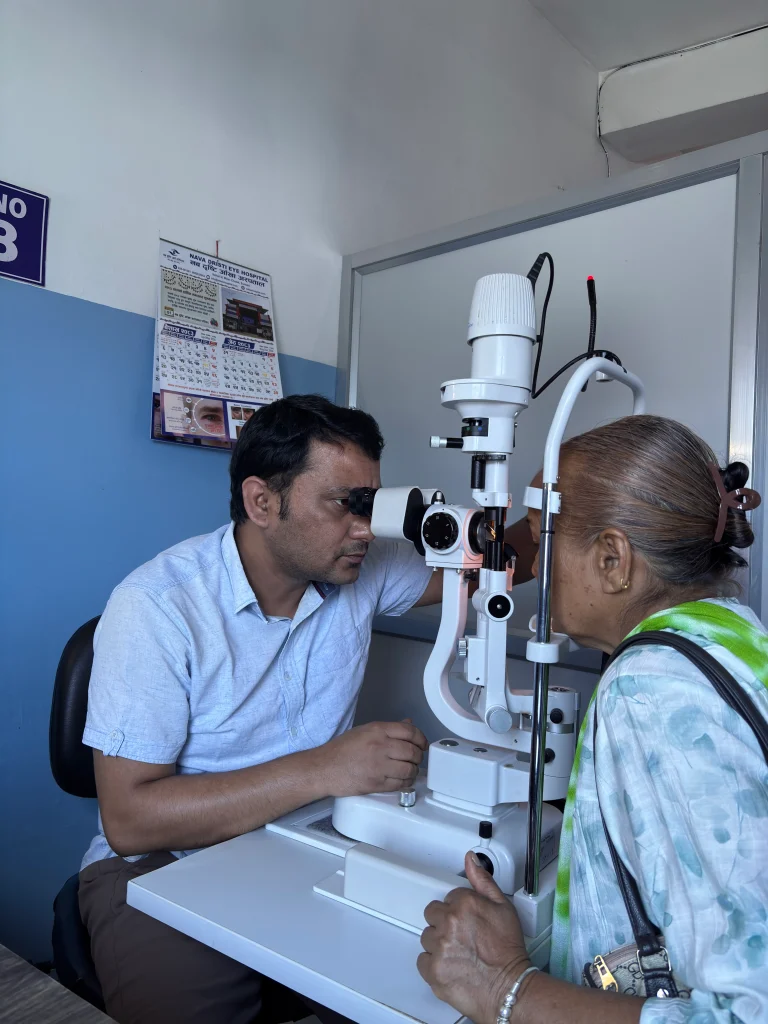
A Cornea Service in Nava Dristi eye hospital provides specialized medical and surgical care for diseases affecting the clear outer surface of the eye. Services include diagnosing infections, keratoconus, dry eyes, and traumas using advanced imaging. Treatments range from medication and therapeutic contact lenses to advanced surgeries like corneal transplantation, pterygium removal, and cross-linking.
Cornea Care and Prevention
- How can I protect my cornea? Wear eye protection to avoid injuries, manage dry eye syndrome with recommended drops, and avoid sleeping in contact lenses.
- When should I see a specialist? If you have sudden pain, vision loss, or symptoms of injury/infection.
Contact Lens Users
- Are contact lenses bad for the cornea? While safe, they can lead to dry eye or infections. Regular, proper cleaning and limiting use to 8–9 hours a day is crucial
FAQs
Questions? We’ve got answers
+ − What is a corneal transplant?
A surgery to replace a damaged or diseased part of the cornea with healthy donor tissue, often used for severe infections or conditions like keratoconus.
+ − What is keratoconus?
A condition where the cornea thins and weakens, changing shape to a cone, causing distorted vision. It often develops during puberty and may require collagen cross-linking to strengthen the cornea.
+ − How are cornea problems diagnosed?
Doctors use a slit lamp exam (a microscope with a bright light) and sometimes fluorescein eye dye to see scratches or damage.
+ − What are symptoms of a corneal problem?
Redness, extreme pain, watery discharge, hazy vision, and sensitivity to light.
+ − Can corneal haze be corrected?
It can, often taking 6–9 months to improve following injury or surgery, with doctors sometimes prescribing drops to help.
+ − What is Collagen Cross-Linking (CXL)?
A minimally invasive procedure using UV light and riboflavin drops to stop the progression of keratoconus.
+ − Will I need a new cornea?
A transplant is only necessary if your cornea is severely damaged or scarred; corneal diseases often start in one of the five layers and can be managed in earlier stages.
+ − What is the success rate of a corneal transplant?
Success rates are high, typically ranging from 72–92%.