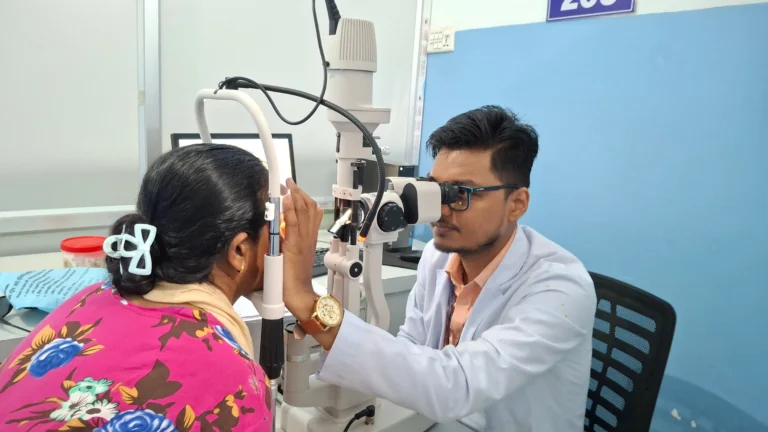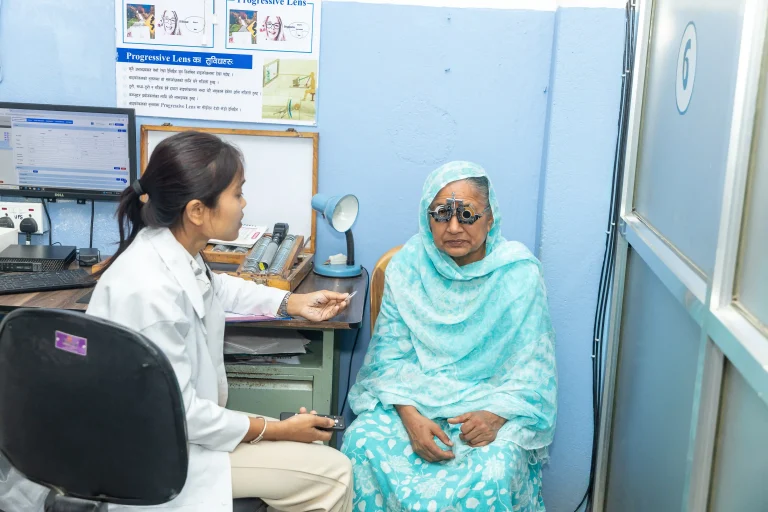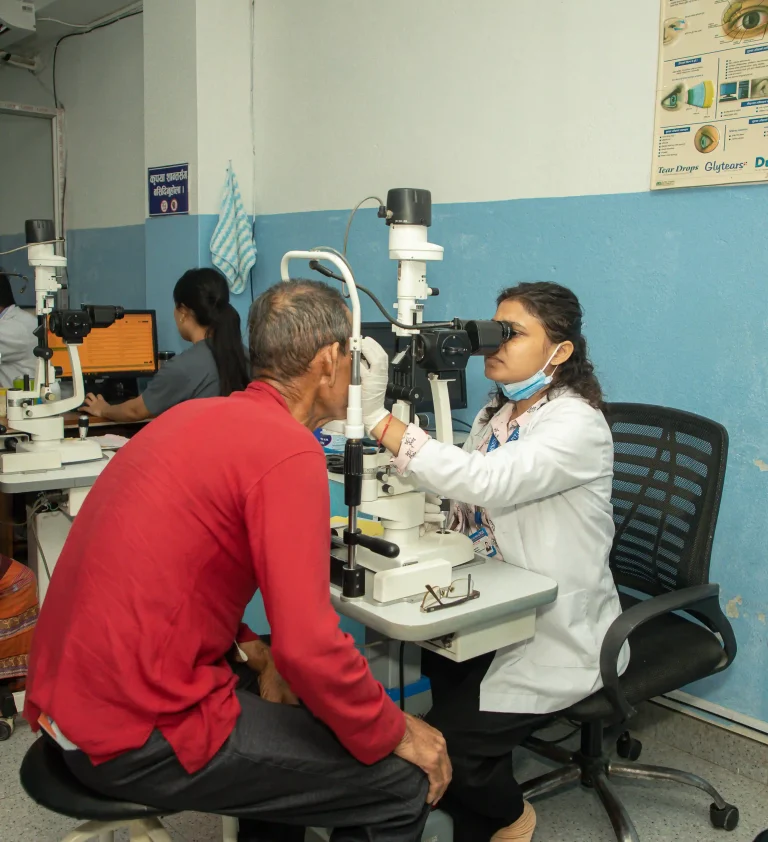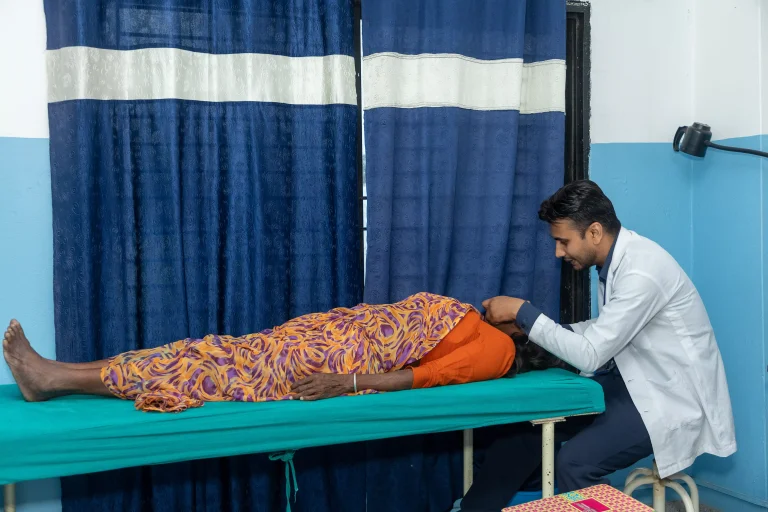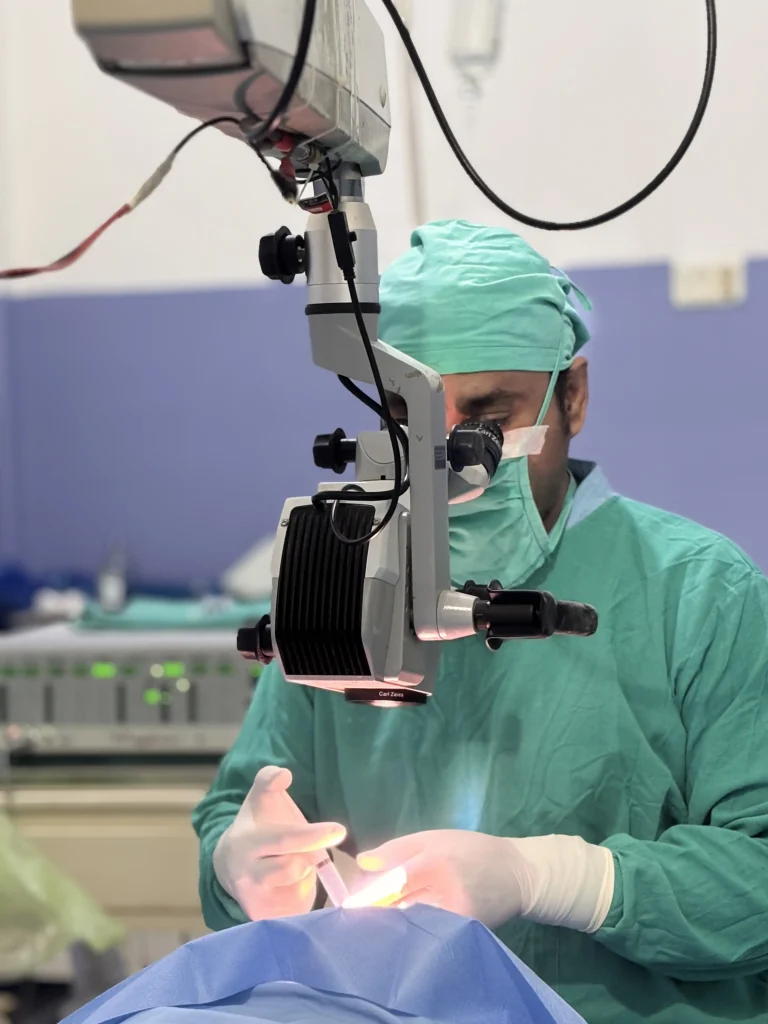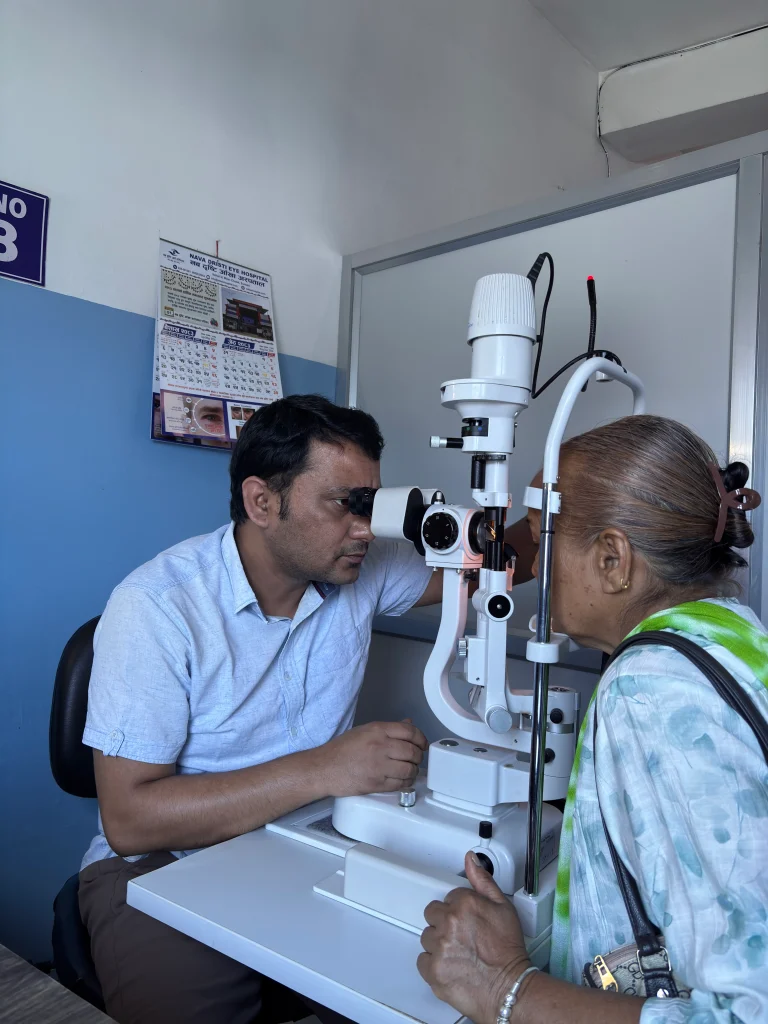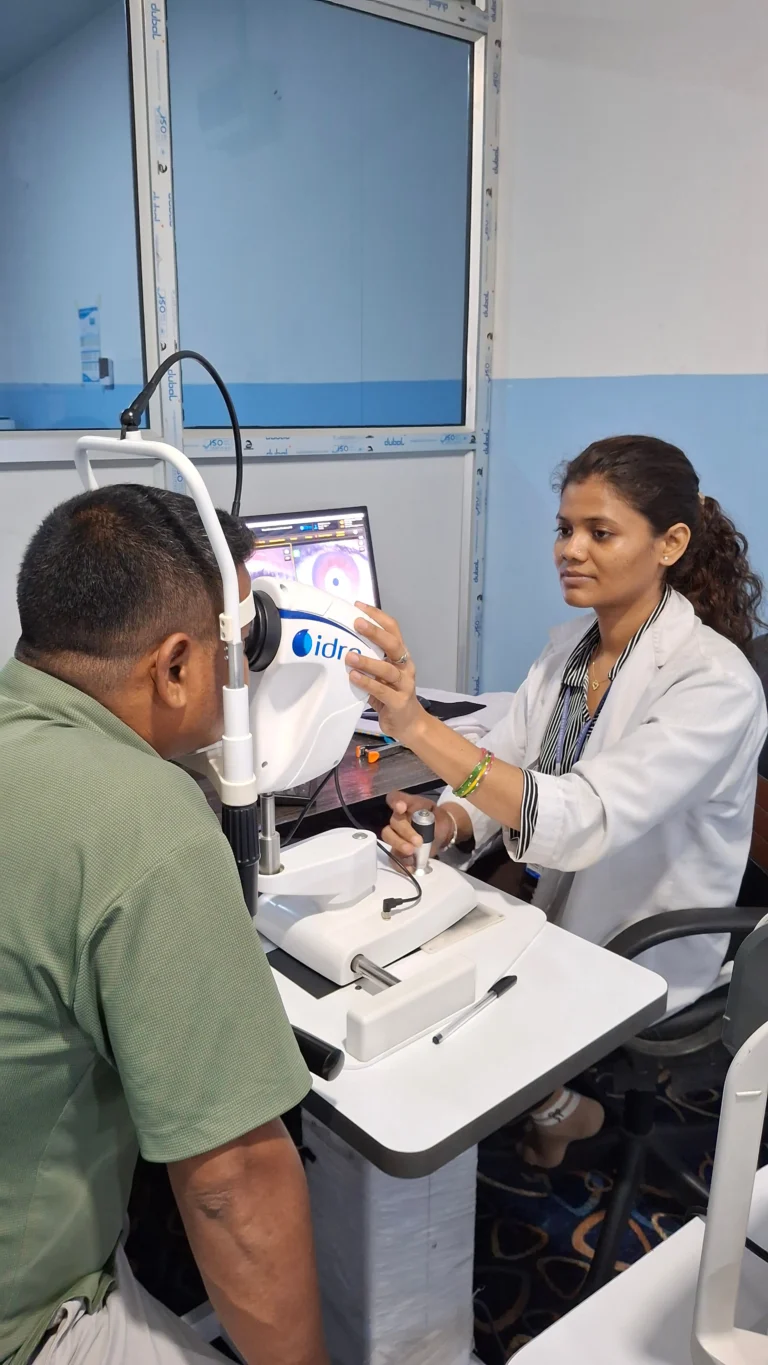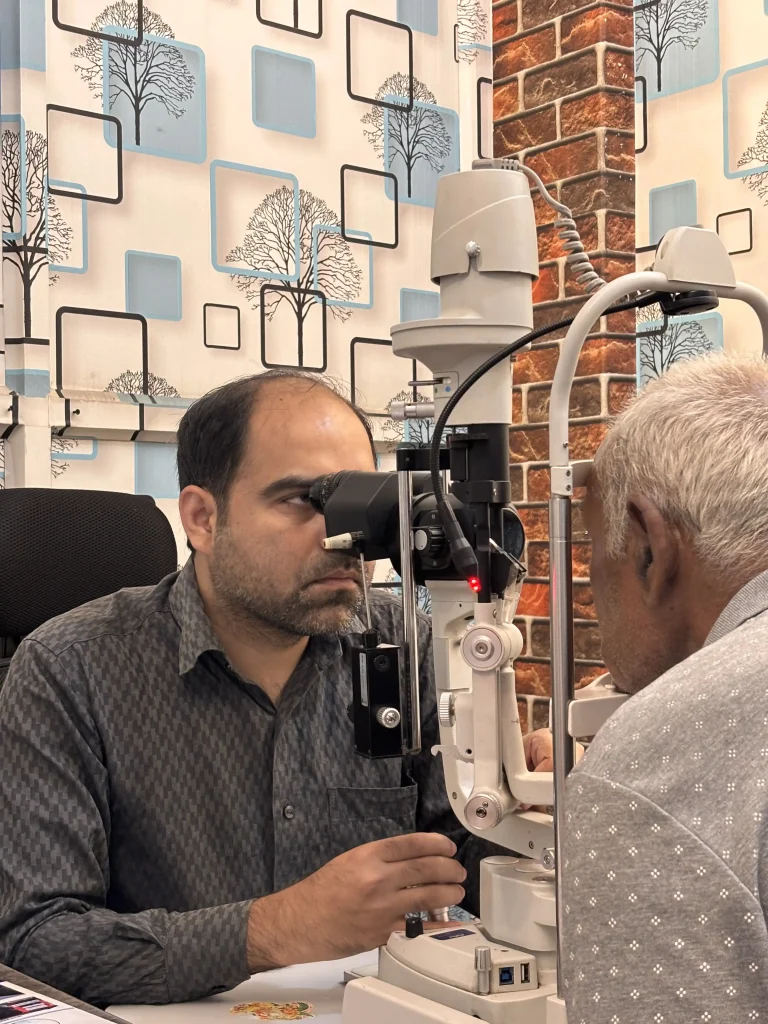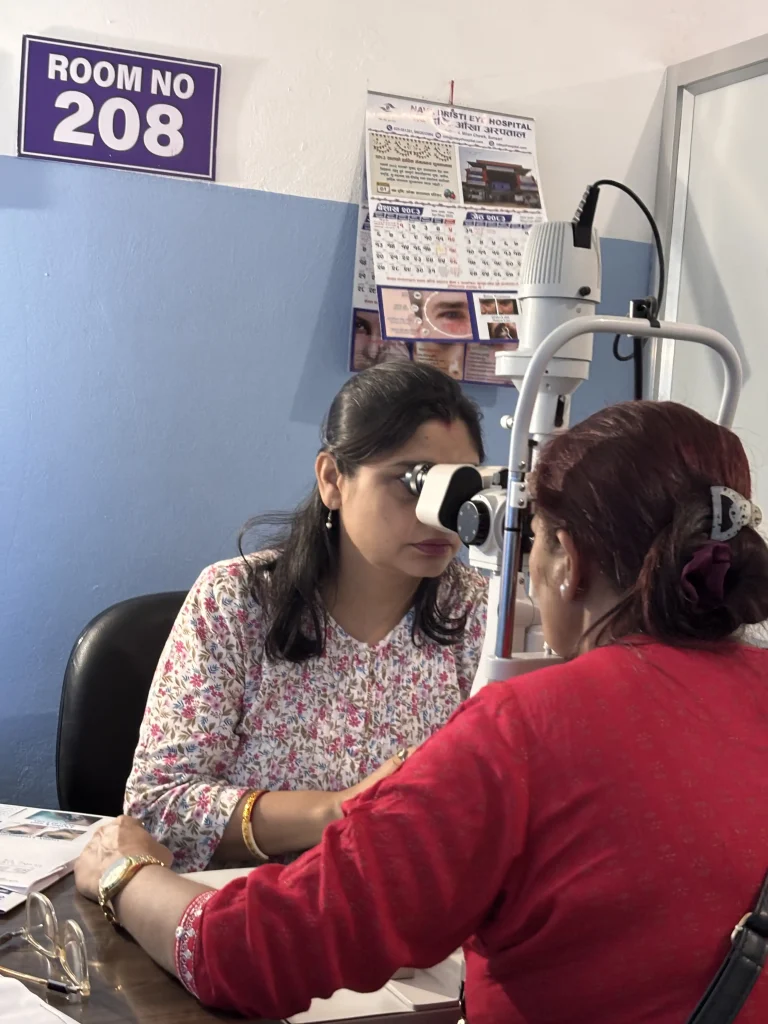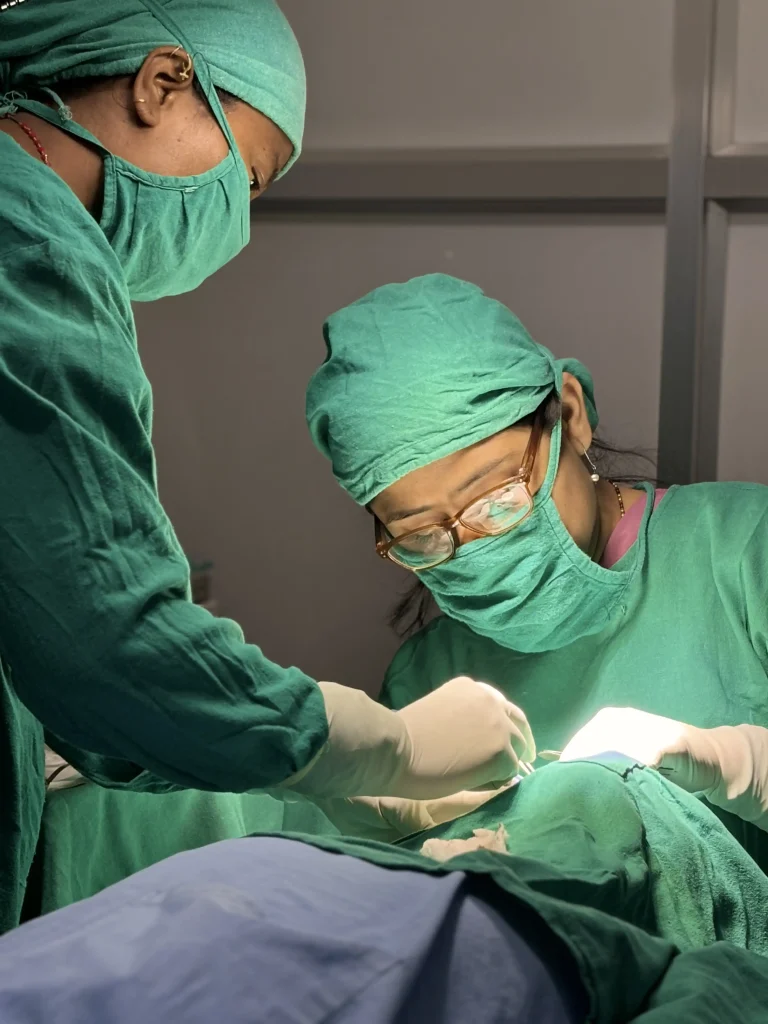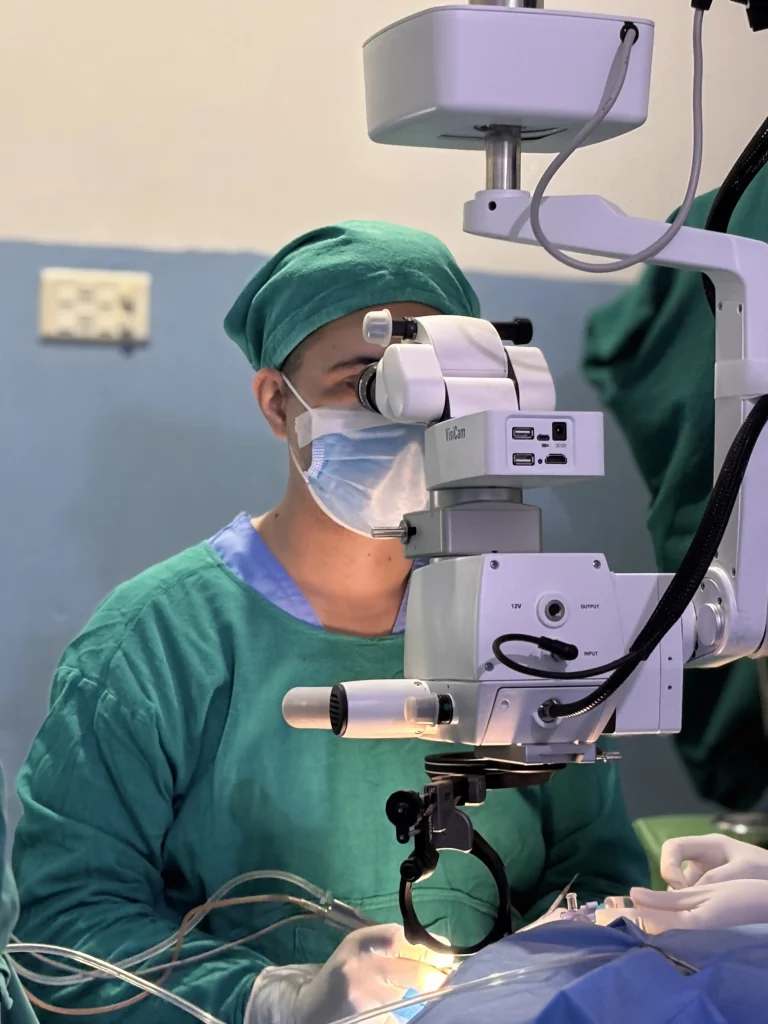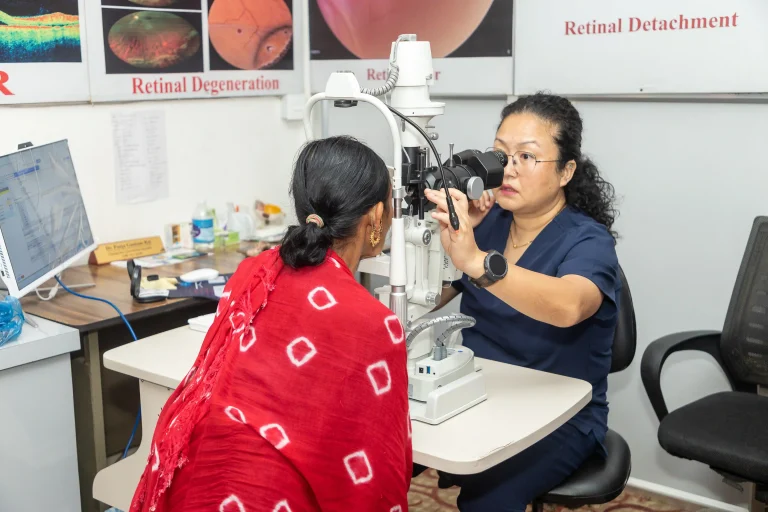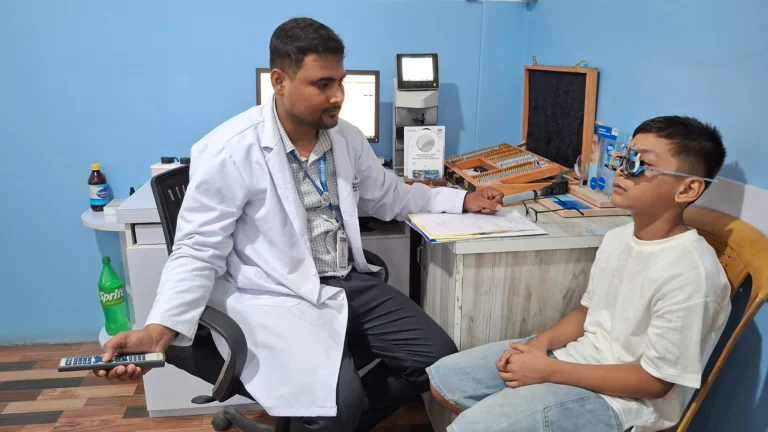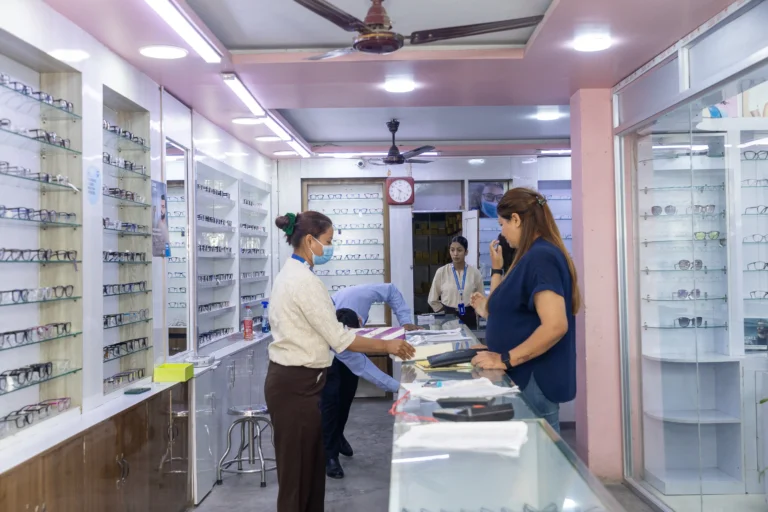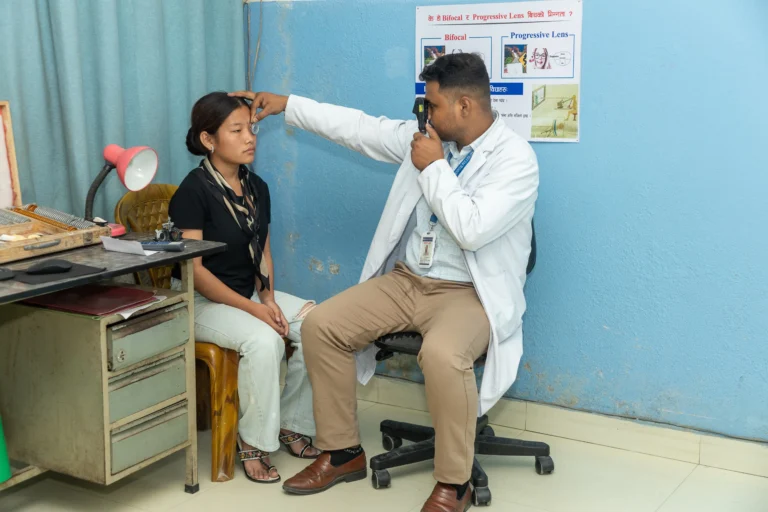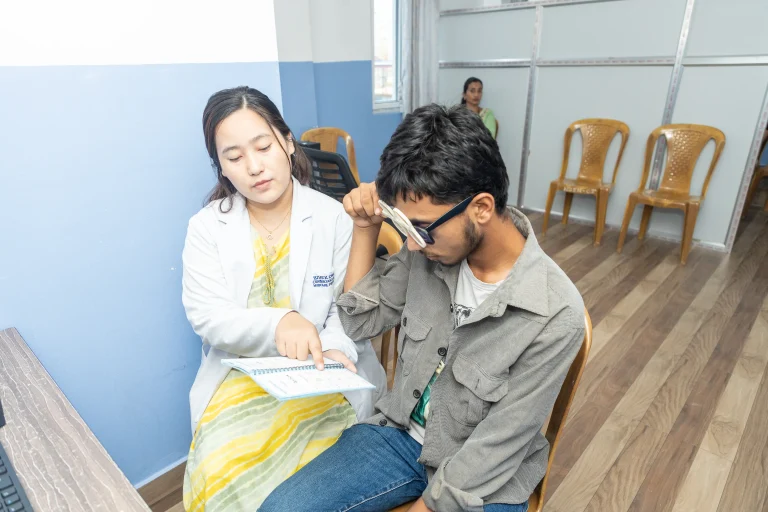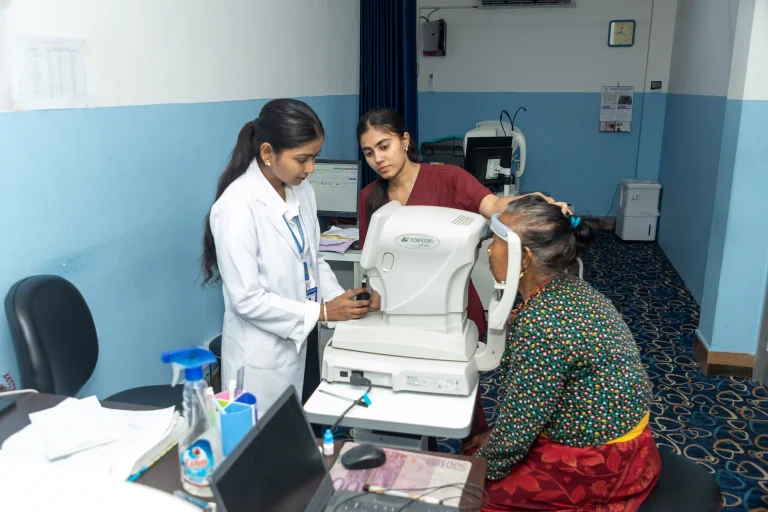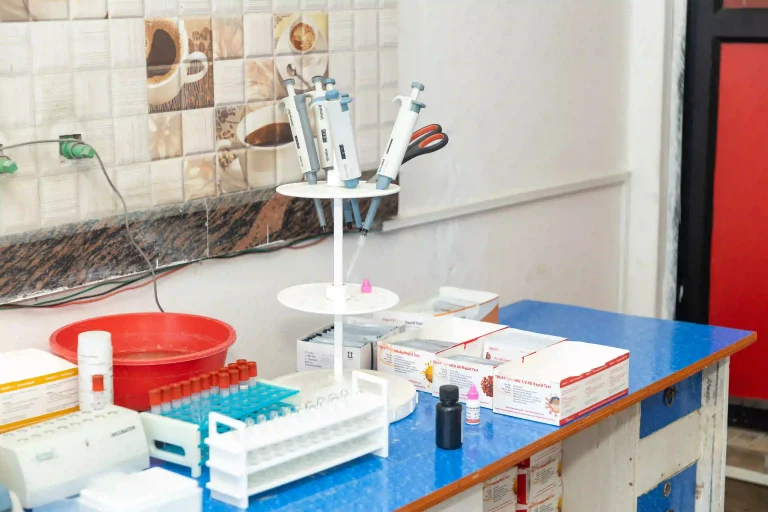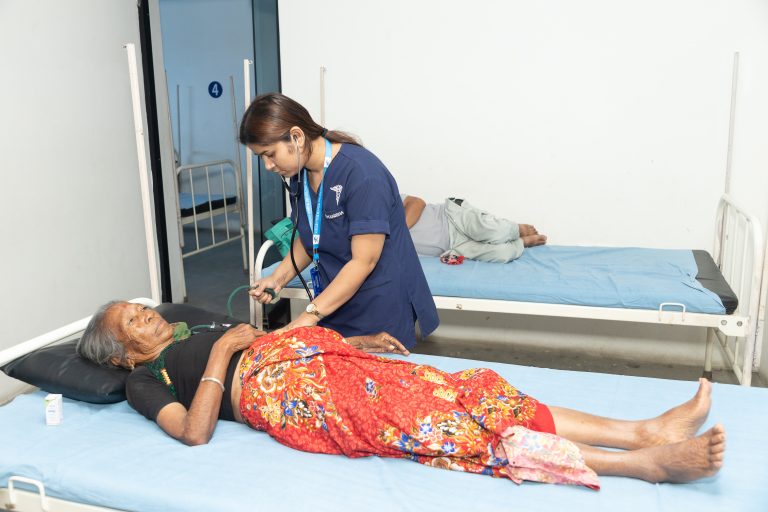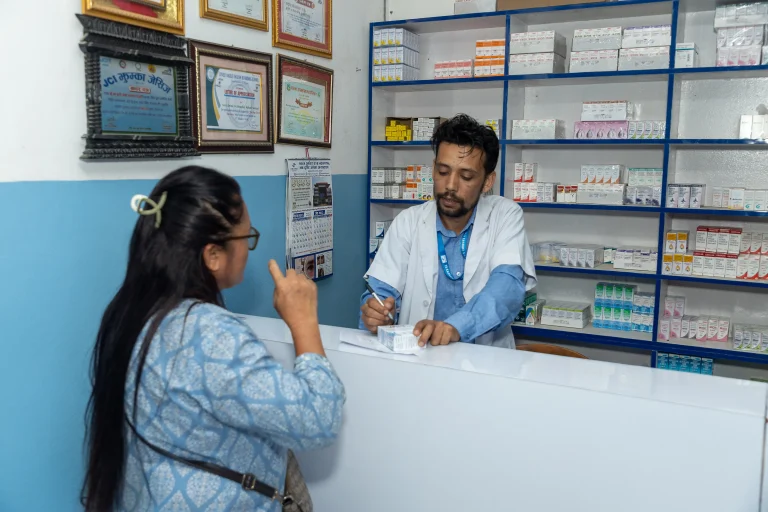



A Glaucoma Service in a Nava Dristi Eye Hospital provides comprehensive care for the diagnosis, treatment, and lifelong management of glaucoma—a leading cause of irreversible blindness caused by optic nerve damage and high eye pressure.
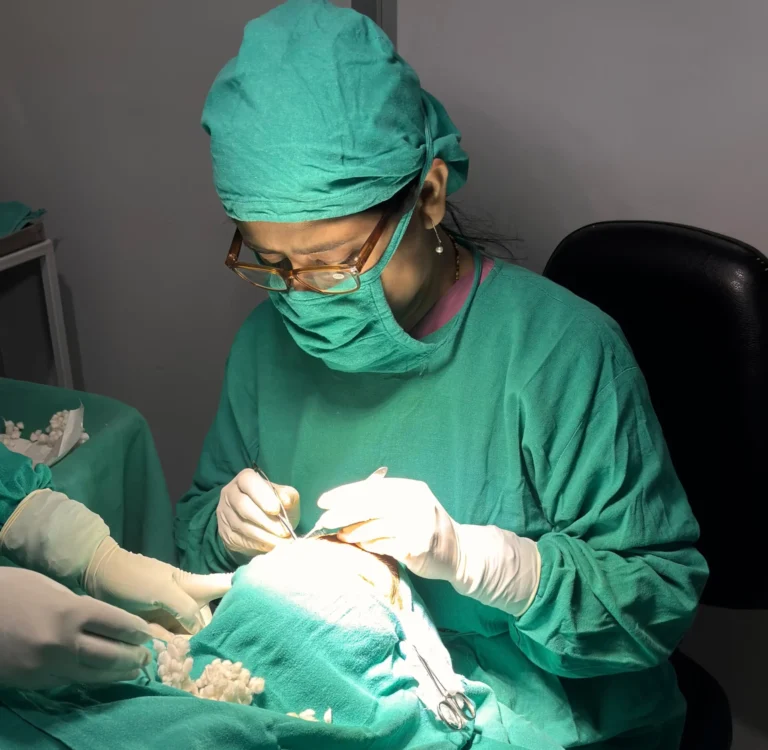
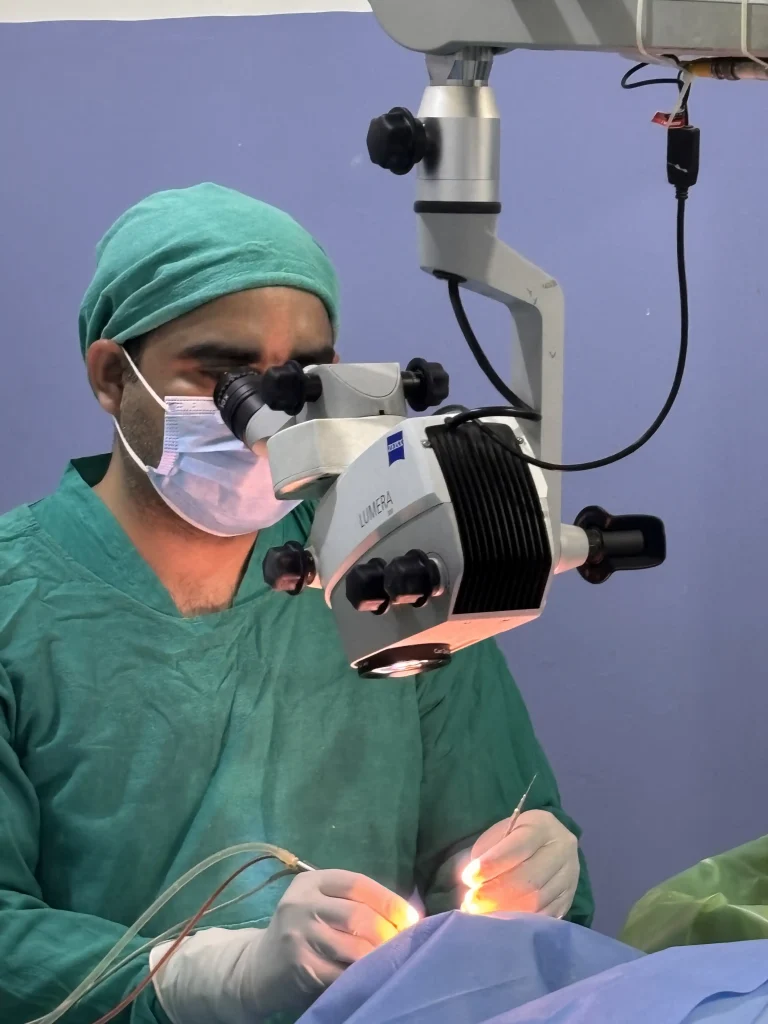
Glaucoma surgery lowers intraocular pressure to prevent further optic nerve damage and vision loss. It is typically recommended when eye drops and laser procedures fail to control pressure. The surgery cannot restore lost vision, but it is essential for halting the progression of the disease.
What are the main types of glaucoma surgeries?
- Trabeculectomy: The gold-standard "filtering" surgery where the surgeon creates a new drainage flap to allow fluid to leave the eye.
- Tube Shunt: A tiny tube and drainage device are implanted to bypass blocked fluid pathways.
- MIGS (Minimally Invasive Glaucoma Surgery): Modern, less-invasive procedures that insert tiny stents to help the eye’s natural drainage system function better.
FAQs
Questions? We’ve got answers
+ − Will surgery cure my glaucoma?
No. There is no cure for glaucoma. The primary goal of surgery is to lower eye pressure to a safe target level to prevent further vision loss. Any vision that has already been permanently damaged by the disease cannot be reversed.
+ − Will I be asleep during the procedure?
Mostly awake. The majority of glaucoma surgeries are performed under local anesthesia, meaning the eye is completely numbed with drops and the patient remains awake, though mild intravenous sedation is often provided to help you relax.
+ − What are the risks and side effects?
All surgeries have some risks. Common but manageable side effects include swelling, redness, temporary blurry vision, and eye irritation. More severe but rare risks include infection, bleeding, or the development of cataracts.
+ − Will I still need to use eye drops after the surgery?
It depends. The success rate for eliminating the need for eye drops is about 60% to 70%. However, depending on how your eye responds, some patients may still require a reduced regimen of eye drops to keep their pressure controlled.
+ − How long is the recovery process?
Recovery involves following strict postoperative care instructions to avoid infection and pressure changes. You will need to wear an eye shield (especially while sleeping) for several weeks, avoid strenuous activities, and refrain from rubbing your eye or bending your head forward.