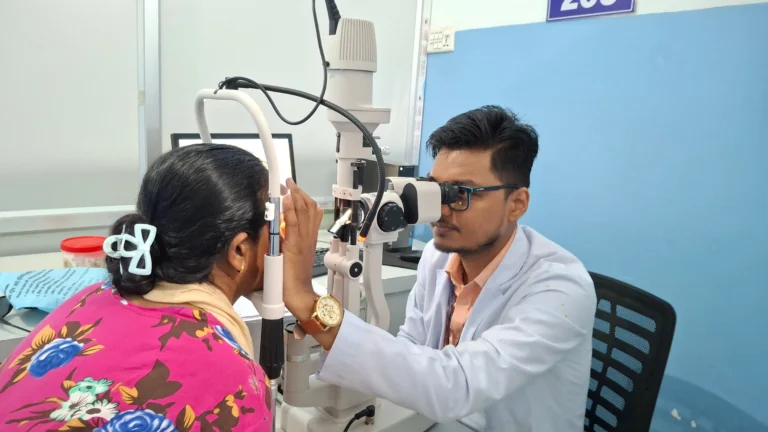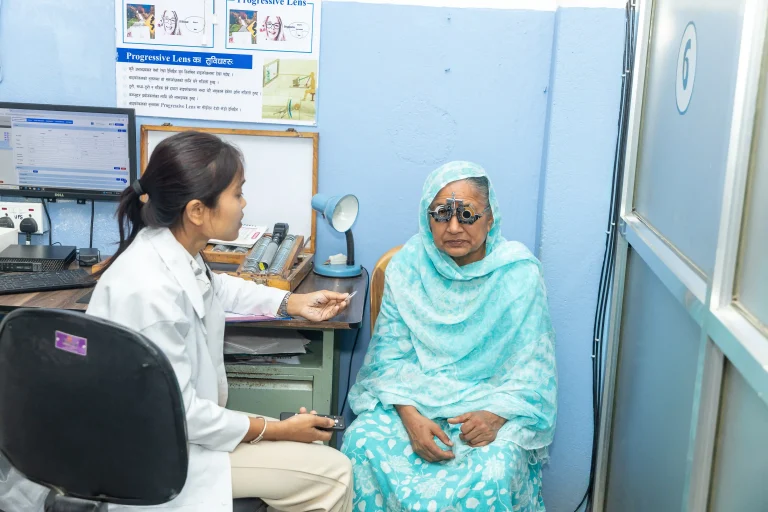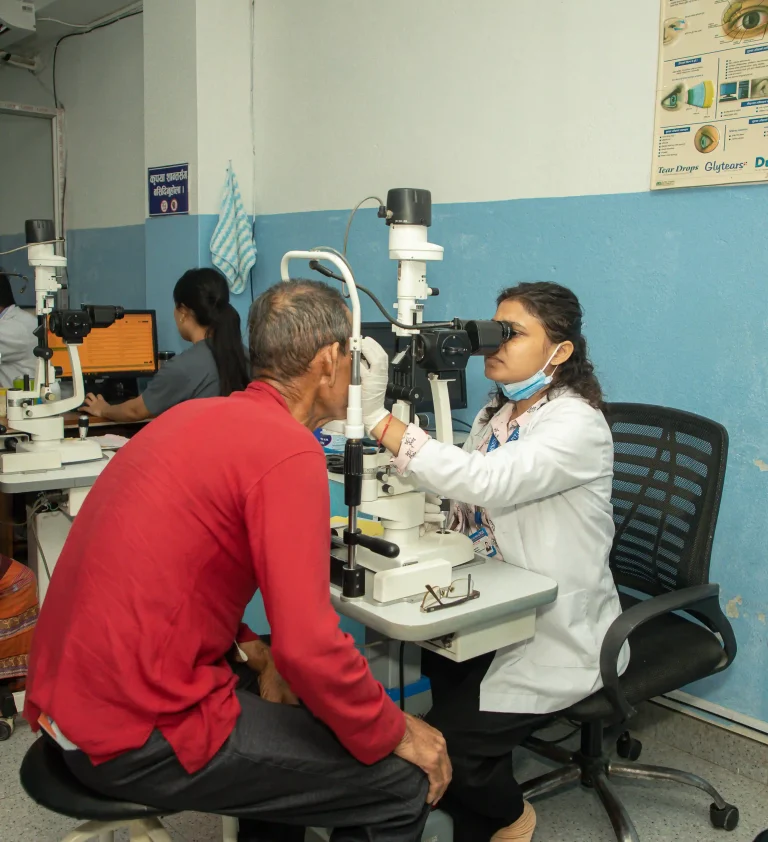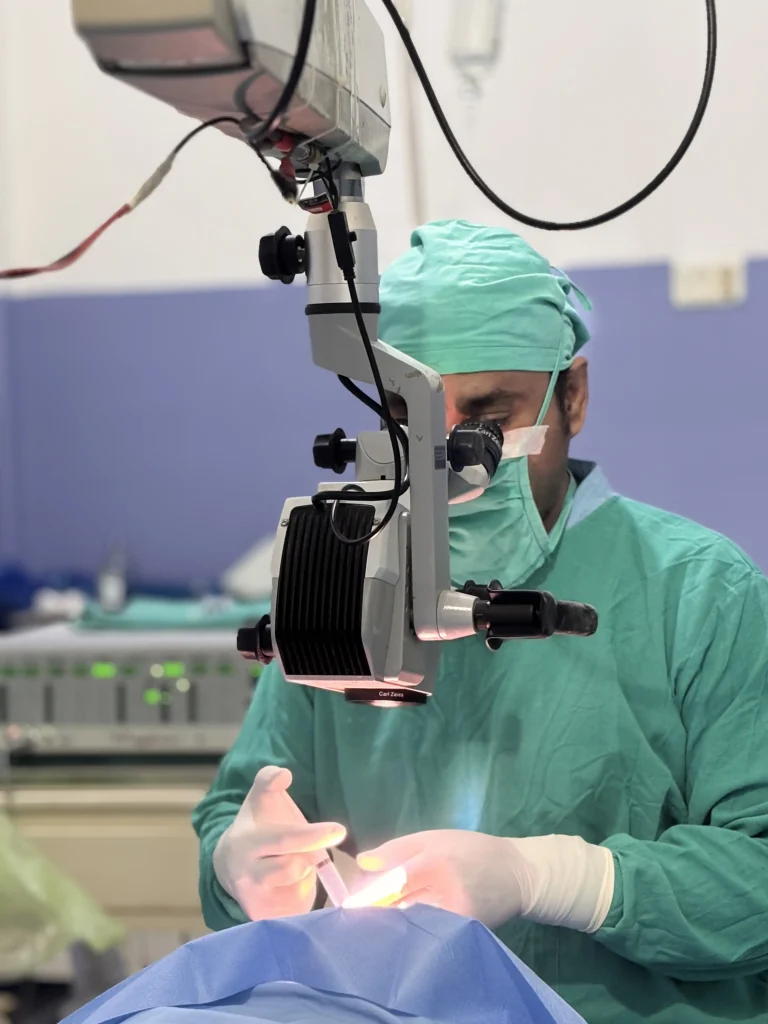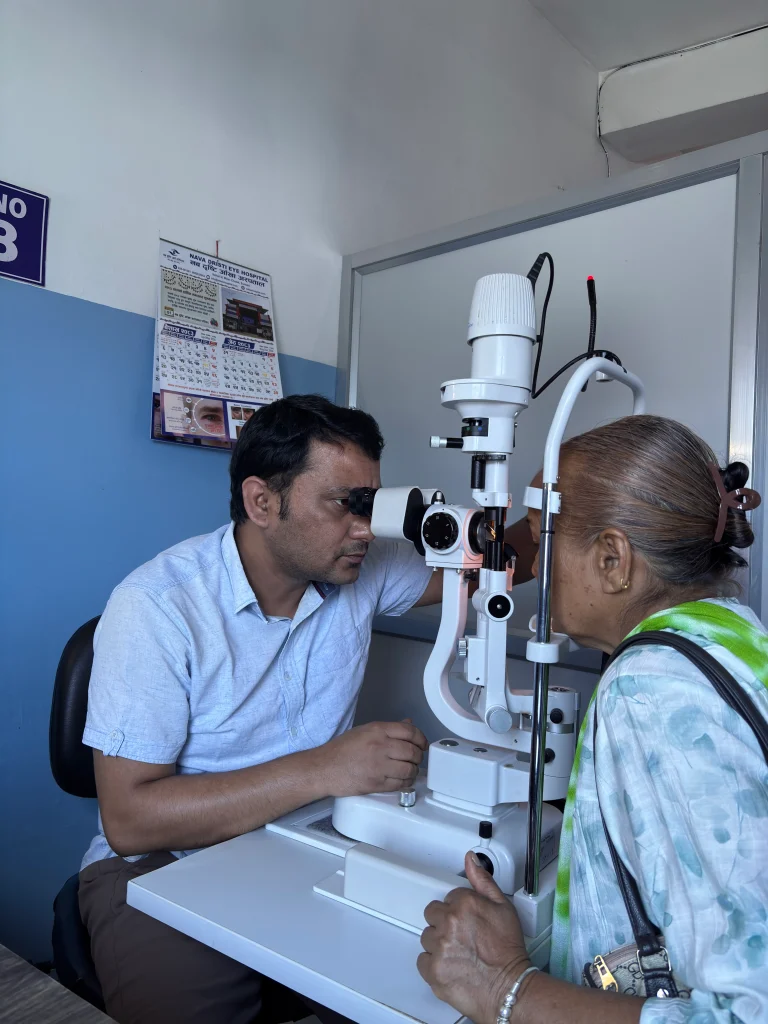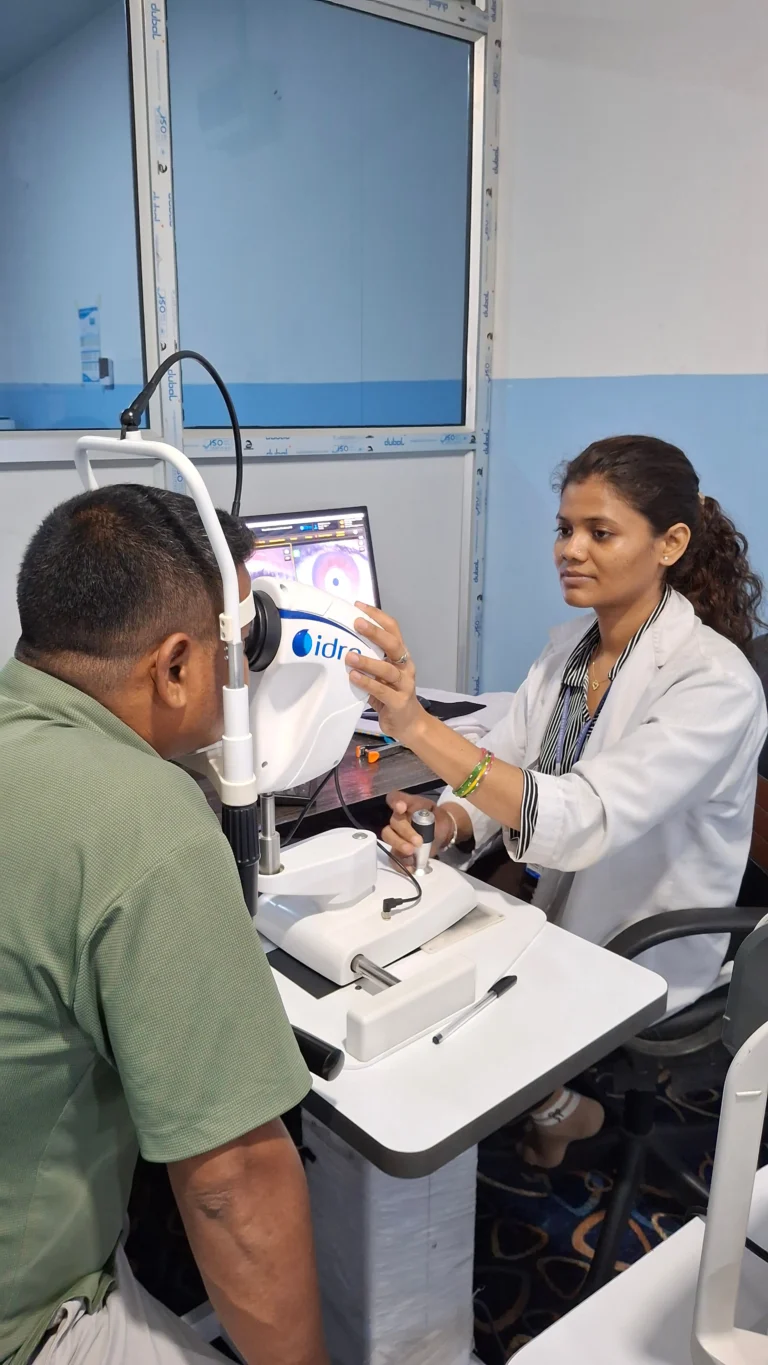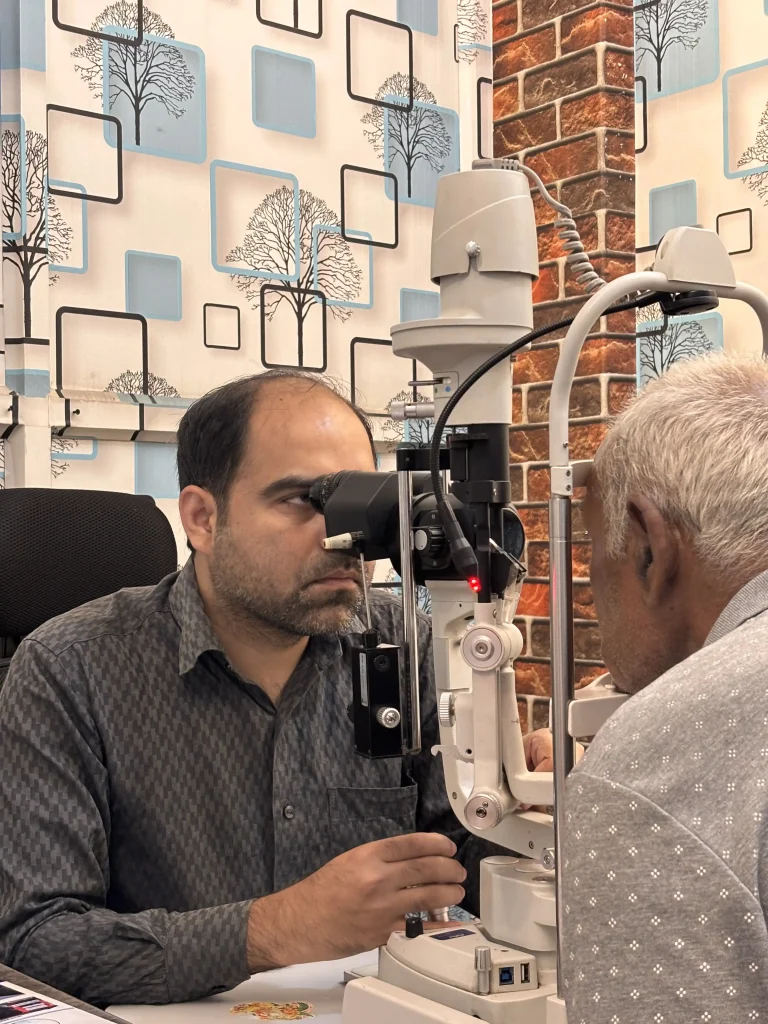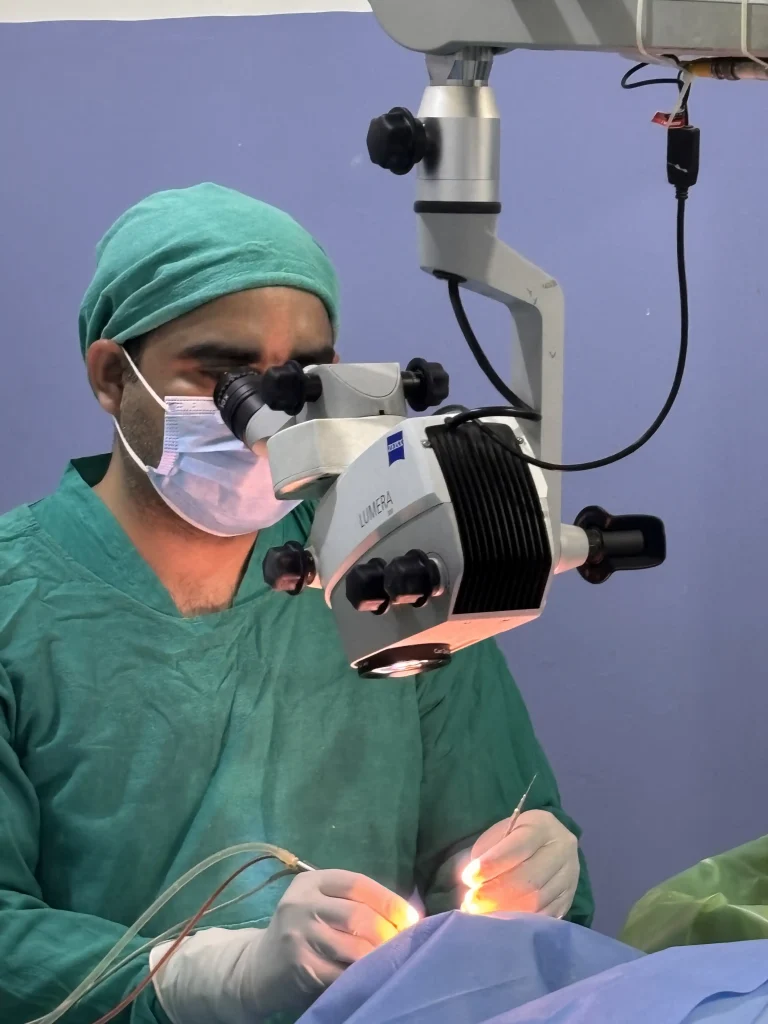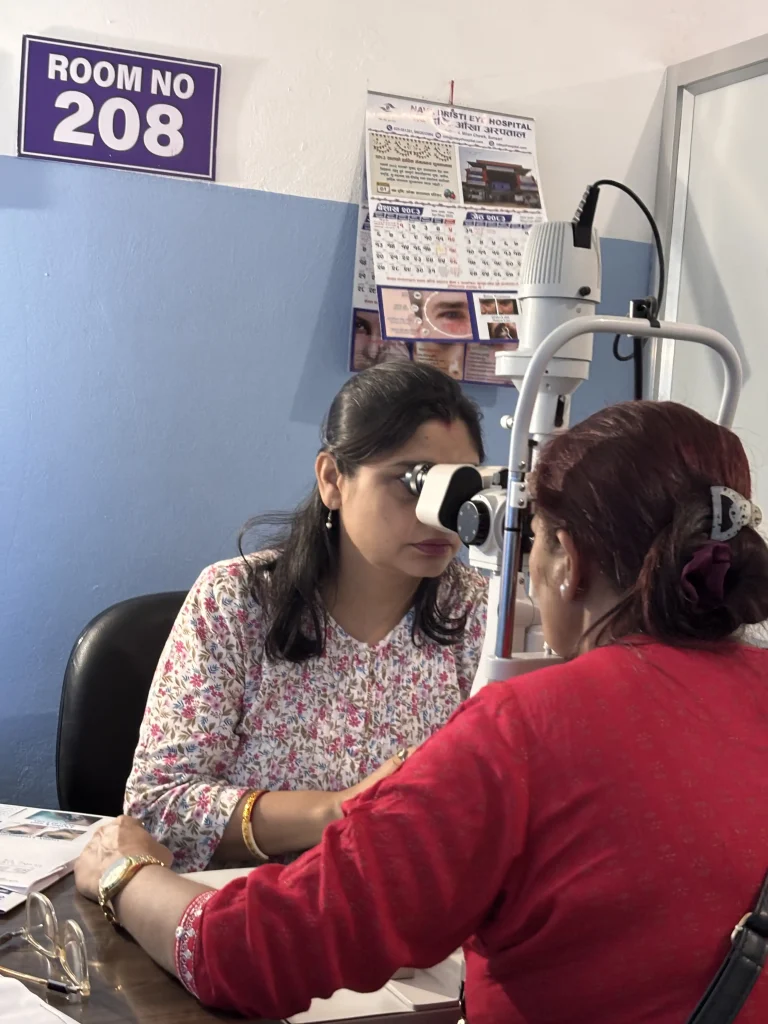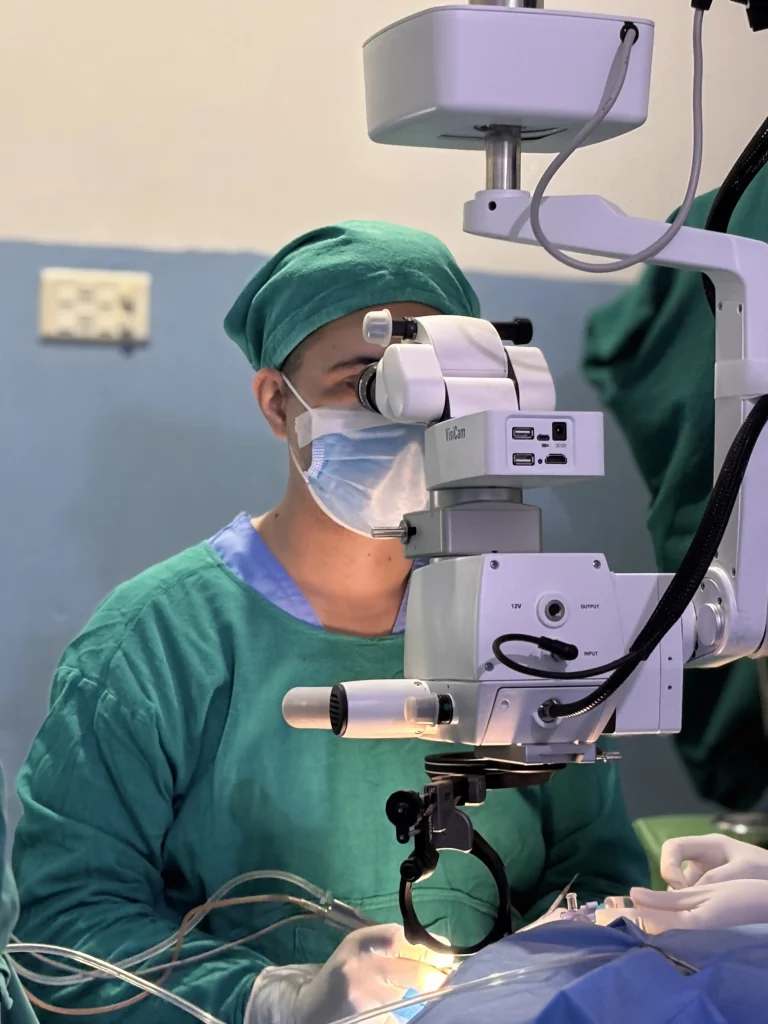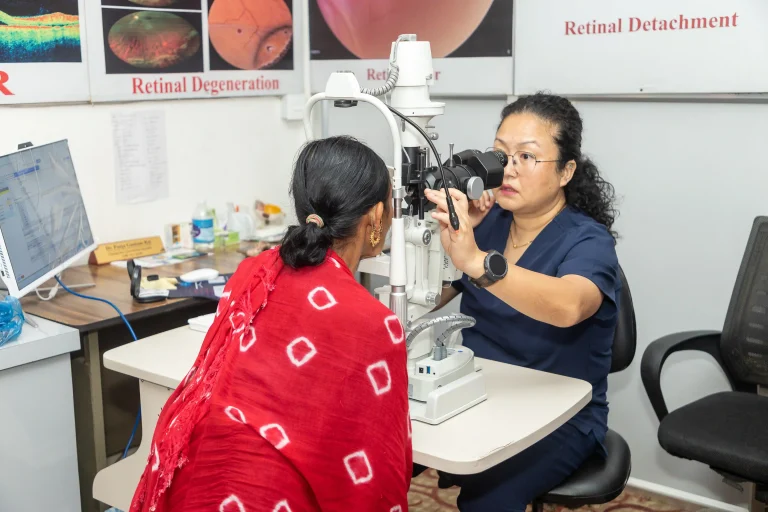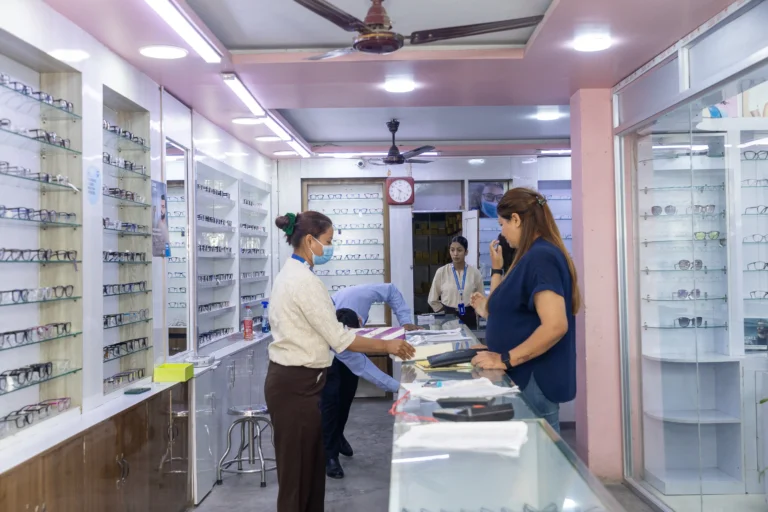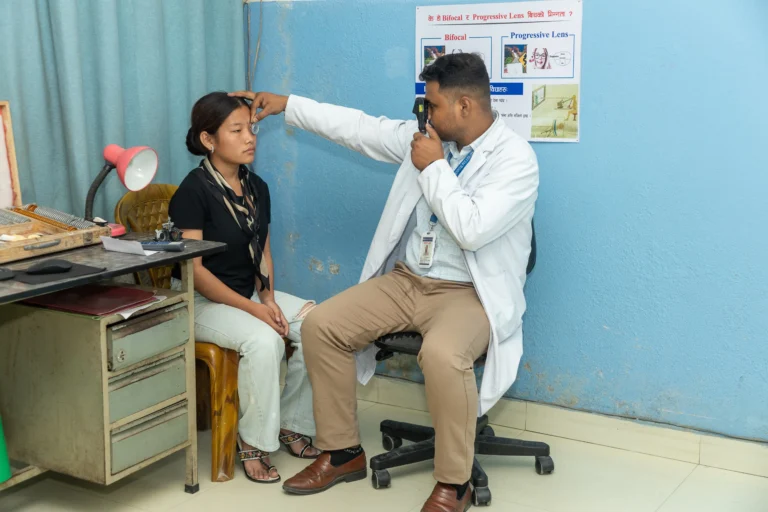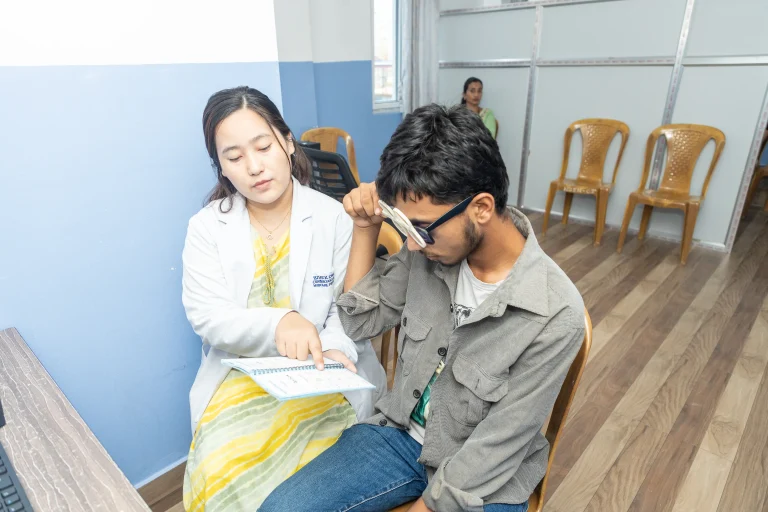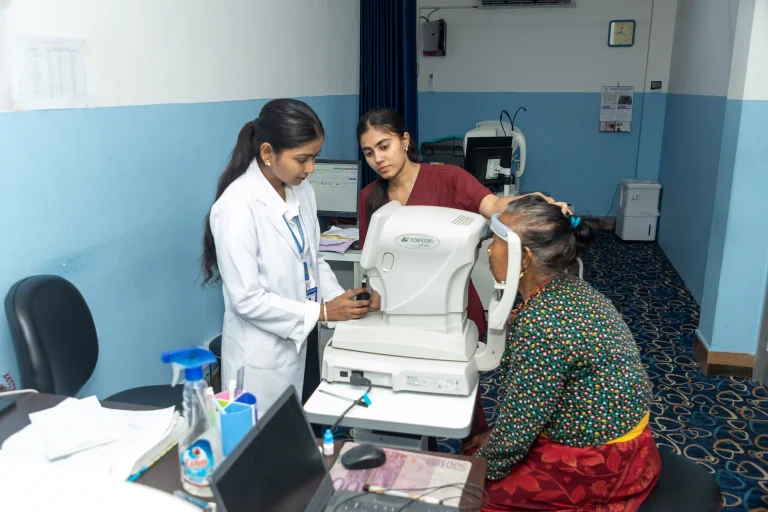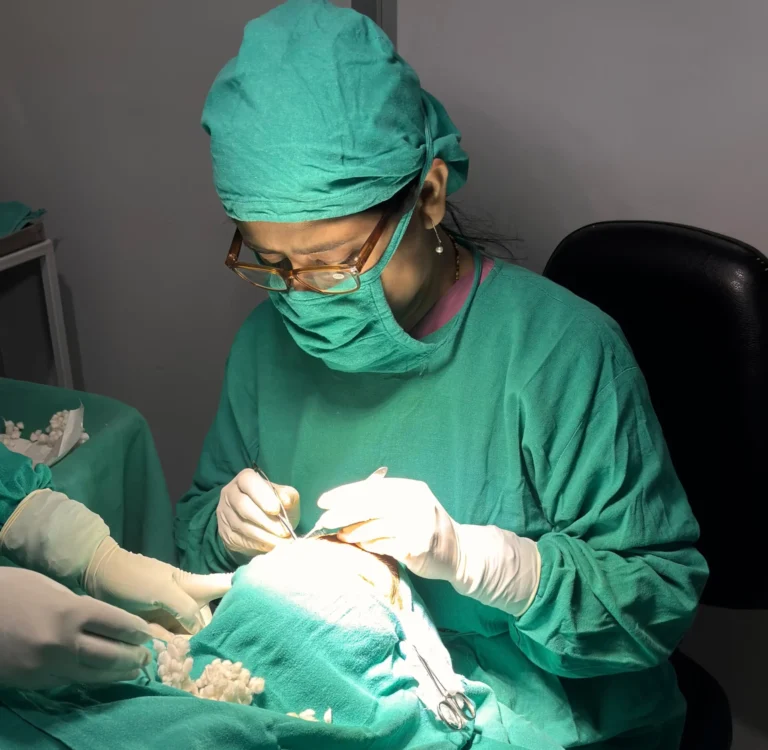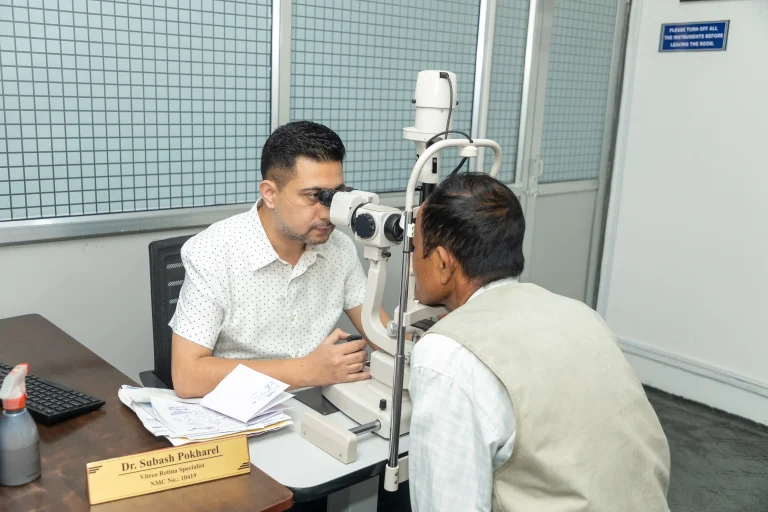



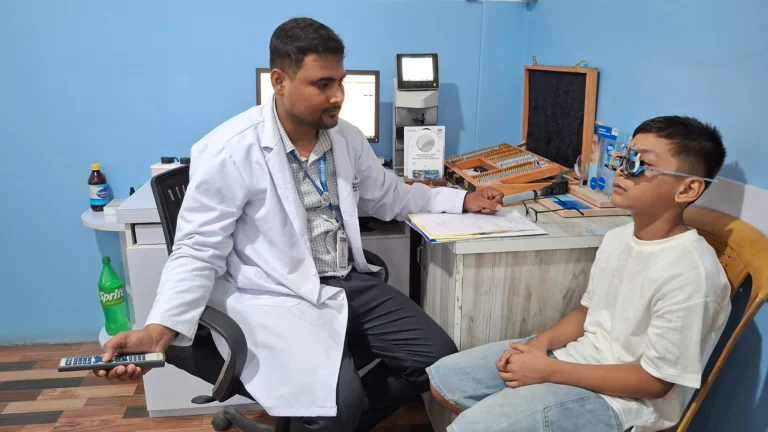
Myopia (nearsightedness) is a common refractive error where the eyeball is too long or the cornea is too curved, causing distant objects to appear blurry while close objects are clear. For myopia, Nava Dristi Eye Hospital has Specialized clinic to focus on early detection, slowing progression with atropine or orthokeratology, and treating high myopia to prevent retinal detachment
General Myopia Questions
- What causes myopia?
- Myopia happens when the eye grows too long, causing light to focus in front of the retina rather than directly on it. Genetic factors (family history) and environmental factors (extensive near work, low outdoor time) contribute to its development.
- Is myopia hereditary?
- Yes, there is a strong genetic link. If one or both parents have high myopia, the child is more likely to develop it.
- Will wearing glasses make my myopia worse?
- No, that is a myth. Proper glasses provide clear vision and reduce eye strain, though conventional glasses do not slow the progression of myopia.
- Can myopia be cured?
- Myopia cannot be cured or reversed, but it can be managed and its progression slowed through specialized treatments.
- Will my child's vision stop getting worse?
- Typically, myopia progresses during school-age years but tends to stabilize around age 20-21.
- Does screen time cause myopia?
- Excessive, close-up, and continuous screen time (or reading) can contribute to myopia progression, though spending time outdoors (at least 2 hours/day) is a key protective factor.
Management and Treatment
- What is myopia control?
- Unlike standard glasses, myopia management uses specific treatments to slow down the structural lengthening of the eye, reducing the rate of progression.
- What are the treatment options to slow progression?
- Orthokeratology (Ortho-K): Specially designed contact lenses worn only overnight to temporarily reshape the cornea.
- Atropine Drops: Low-concentration eye drops used to slow myopia progression.
- Specialty Lenses: Dual-focus or peripheral defocus-modifying glasses or soft contact lenses.
- When should myopia treatment start?
- Treatment should begin as soon as myopia is detected and monitored by an eye care specialist, especially if it is progressing quickly..
Risks and Prevention
- What is high myopia?
- High myopia is usually defined as a prescription higher than -5.00 or -6.00 diopters, which significantly increases the risk of eye complications.
- Can high myopia lead to blindness?
- In rare cases, severe high myopia can cause retinal detachment, glaucoma, cataracts, and macular degeneration, which can lead to vision loss.
- How can I prevent my child's myopia from getting worse?
- Increase Outdoor Time: At least 2 hours daily in natural light.
- Follow the 20-20-20 Rule: Every 20 minutes, look at something 20 feet away for 20 seconds.
- Maintain Proper Distance: Keep screens and books 14–16 inches away.
- Regular Eye Exams: Annual check-ups are crucial to monitor progression.